What came first, the Conservatory or the Orangery?
Because the chicken and the egg are so 2017. Officially, the orangery came first, originating from the European Renaissance. In the 15th and 16th century, Italian nobility used Roman inspired architecture to grow, of course, citrus fruit. A couple hundred years later, conservatories were introduced in northern European countries, as people began to realise that conservatories meant exotic fruits could be grown in cooler European climates.
What defines a Conservatory or Orangery?
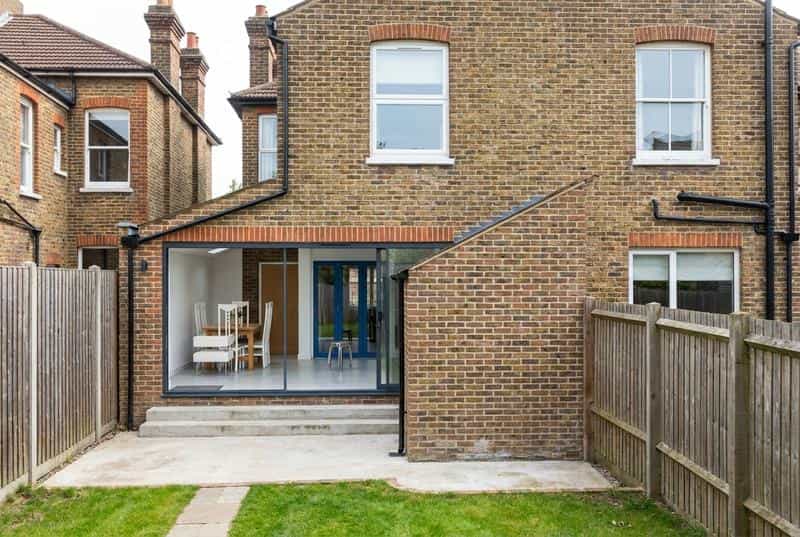
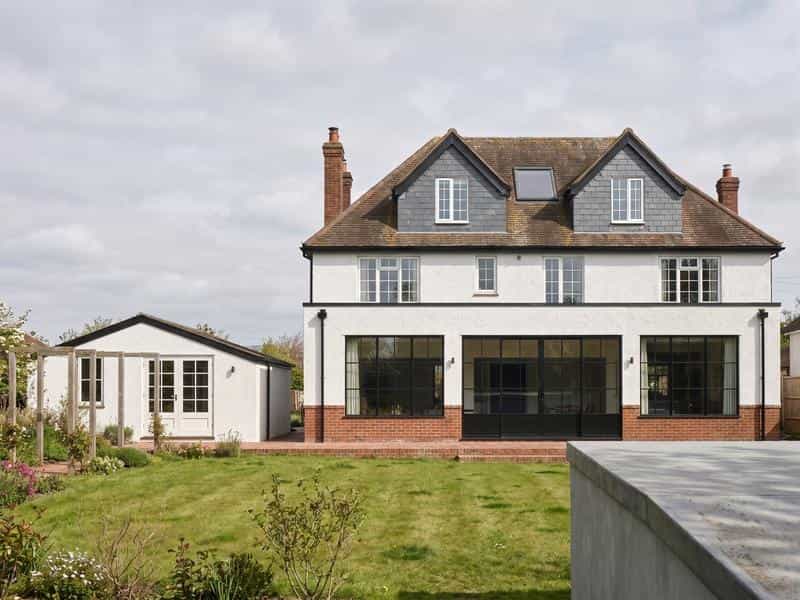
The most common consensus on the difference between a conservatory and orangery is to do with the amount of glazing. While a conservatory consists of around 80% glass or more, an orangery is built with less glass, and more solid materials. An orangery is predominantly made from timber or brick, with a roof lantern, and large panes of glass surrounding the outside. In most cases, an orangery’s general style and render will match the rest of the house, in order to appear as though they’re an extension of the property. In the case of a conservatory, while it can be in keeping with the style of the house, it feels more like an add-on. You could say, an orangery is a cross between a conservatory and a traditional extension.