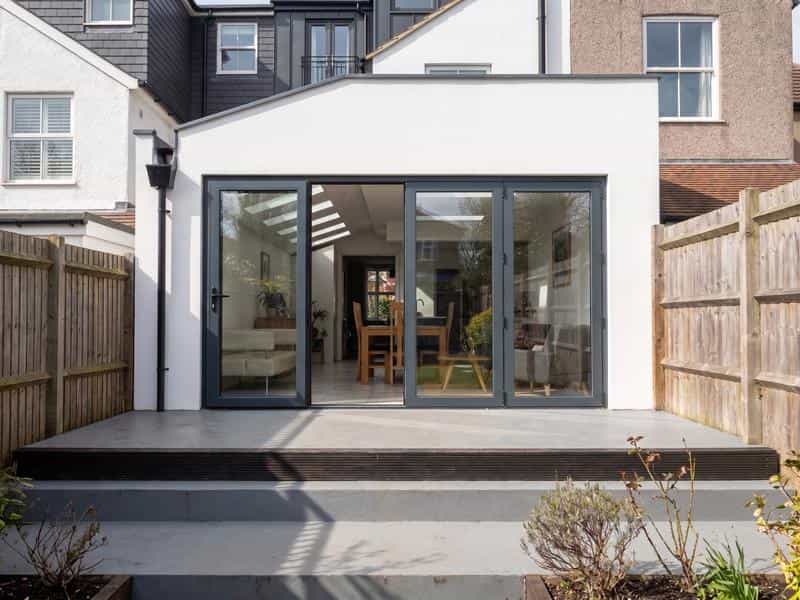
Yes, you can build a house extension without planning permission if it meets certain rules: the extension must be under 50% of the land around the original house, no taller than the existing roof, and materials must match. For single storey rear extensions, you can extend up to 4m for most homes or 8m with prior approval, costing around £10,000 to £20,000 depending on size and specs. These rules exclude listed buildings, conservation areas, flats, and if the house has been previously extended since 1948.
In case you've been wondering, yes, it's possible to build a house extension without planning permission — and it’s all thanks to permitted development.
Nevertheless, there are rules and criteria that the extension must meet to qualify for permitted development. It is vital that you understand these rules and criteria before embarking on your project. This way, you can avoid getting into trouble with the law.
These rules control almost every aspect of your proposed house extension, from how high the extension can be to what to do if there's a highway nearby.
In this article, we’ll cover:
Building a house extension without planning permission
Benefits of extending without permission
Basic conditions for extending without permissions
Permitted development is not subjective. You'll already have a comprehensive idea of what is accepted and so can design within that boundary
With reduced planning risks, you’re less likely to be subjected to hidden costs, such as reapplying for permission
Permitted development rights are a fantastic option for anyone living in areas known for high planning refusals, as they operate outside of the council’s own (sometimes harsh) guidelines
With the guidelines already in place, you may find permitted development rights help hone in your vision and give your designs a starting point
How much does an architect charge?
Basic conditions for extending without a planning permission
There are three primary conditions for extending your house without permission.
Have you or any previous owners extended the house since 1948?
You cannot extend a house without planning permission if it has been extended before, either by you or its previous owners. This rule covers extensions made since the 1st of July 1948.
Is your house listed or on “designated land” (conservation area)?
Listed homes and homes on designated lands (conservation areas, areas of outstanding natural beauty) have either limited or revoked permitted development rights. If your home falls under this category, we definitely recommend getting expert guidance when planning your extension.
Is your property a house or flat?
Only houses are covered by permitted development. Other property types like flats and maisonettes will require you to apply for full planning permission. Also, note that if your house has been converted in the past, it may not be eligible for permitted development rights.
Before it was dissolved in 2020, the larger home extension scheme allowed homeowners to build single storey rear extensions that were larger than permitted development rights allowed. After it was dissolved, its allowances were added to permitted development rights. This meant that homeowners could still build larger extensions, but the way they would go about it now would be slightly different from when the larger home extension scheme existed.
Now, homeowners wishing to build larger extensions can simply apply for prior approval. With prior approval, you can extend a detached home as far as 8m for detached houses and 6m for other types of houses.
Permitted Development Rules for each extension type and renovations
The rules set out in the town and country planning (General Permitted Development Orders) 1995 detail all the changes you can and can not make without planning permission
Here are some of them:
For most extensions
The extension cannot use more than half of the land surrounding the original building
An extension cannot be taller than the tallest part of the building itself, neither can its eaves exceed the height of the existing eaves
You can’t have a forward or side extension on a building that’s too close to the highway
The height of the extension’s eaves can not exceed 3m once the extension comes within 2m of the boundary
The extension cannot include verandas, a microwave antenna, a chimney, or any alteration to the roof of the existing house
The materials used for the extension must be similar to the materials used for the exterior of the actual house
Rules for attached vs detached properties
Attached properties cannot be extended beyond the rear wall of the original home by more than 3m
You cannot extend a detached property past the rear wall of the original home by more than 4m
For single storey extensions
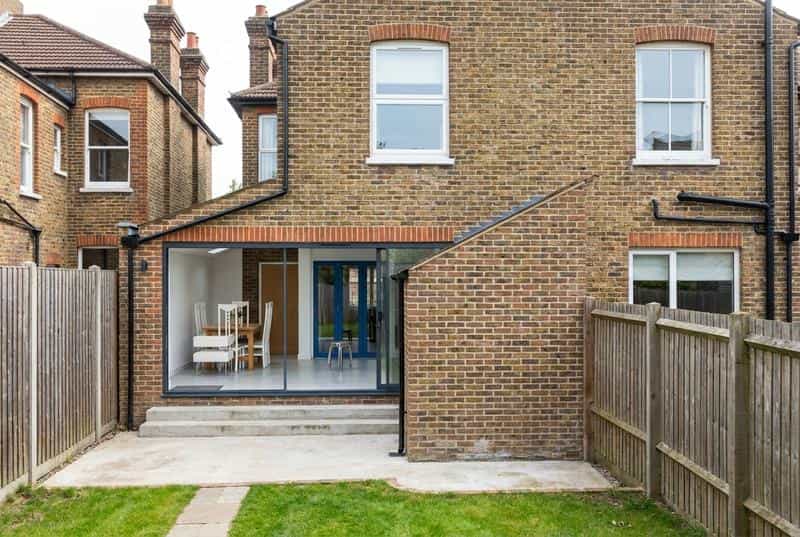
It must not extend past the rear wall by 4m for a detached house and 3m for every other kind of house
It must not exceed 4 m in height
For two storey extensions
The extension’s roof pitch must match that of the original house
First-floor windows of side elevations should be obscure glazed, and non-opening. The only exception to this rule is if the open window is at least 1.7m from the floor
For front extensions
Permitted development allows you to extend the front of your house provided your front extension:
Is a single storey
Doesn't front into the road
Isn't more than 3m out from the original house
Isn't more than half the width of the original house
For porch extensions
You can build your porch without planning permission provided:
The porch isn't higher than 3m
It's at most 2m close to any boundary next to a highway
The external ground area isn't more than 3m2
For rear extensions
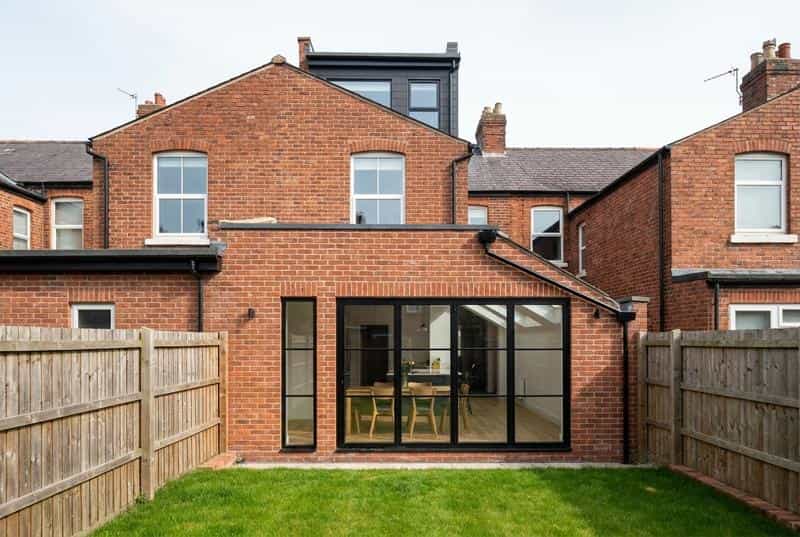
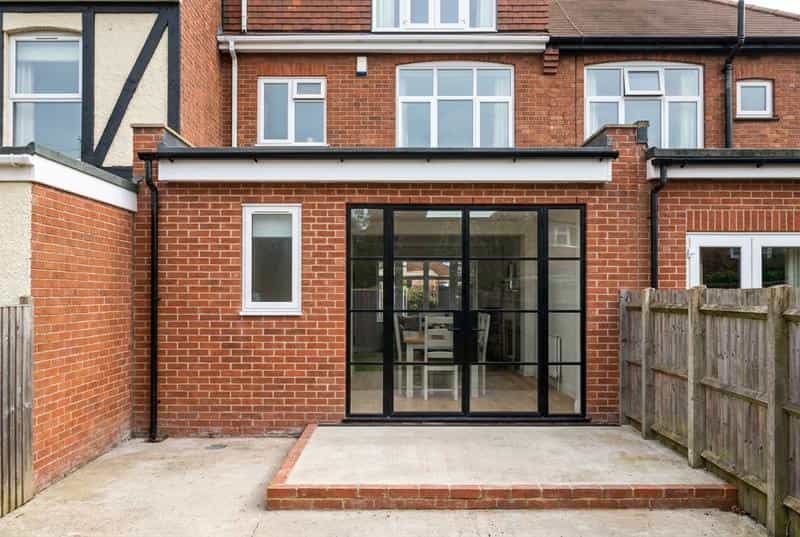
Single storey rear extensions can be extended as far as 4m for detached houses and 3m for other houses. This can increase to 8m and 6m, respectively, with prior approval
Double storey rear extensions can go as far as 3m from the original house as long as it’s more than 7m away from the rear wall
For side extensions
It can only be one storey
Must not be higher than 4m
For basement conversions
You can convert your basement without seeking permission as long as
It’s not a separate unit
You’re not excavating to form a new basement
The usage is not significantly changed
The external appearance isn’t altered by the addition of a lightwell
To replace a window
You don’t need planning permission to replace your window as long as the new windows are similar to the ones being replaced.
To knock down internal walls
You probably won’t need planning permission to knock down internal walls as long as your house isn’t listed or in a conservation area.
For a rooflight
For permitted development to cover roof light installation:
The rooflight must not project past 15cm from the roof’s slope
It must not extend forward on an elevation fronting a highway
The property must not be located in a conservation area or an area of outstanding natural beauty
It must be non-opening or more than 1.7 meters above floor level if placed on a side elevation
For loft conversions
Cubic content cannot surpass 40m3
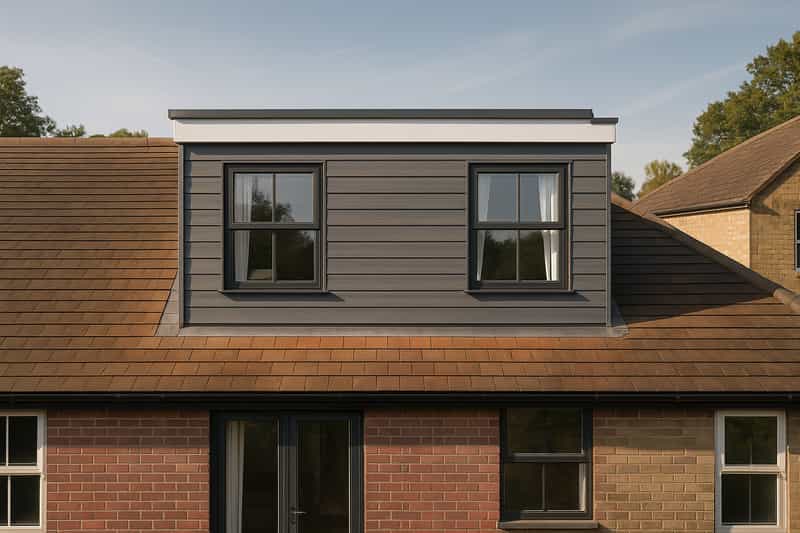
Dormer windows must not sit higher than the highest part of the existing roof
Dormer windows must not extend forward of the roof plane on the principal elevation
For garage conversions
Most garage conversions fall under permitted development as long as the work is internal and no enlargement is involved. The only exception to this rule is a detached garage. However, if your garage is built after the house, it's worth checking in with your local authority to ensure that your home’s permitted development allocation has not been used up.
For conservatory extensions
Conservatory extensions have the same permitted development criteria as house extensions. They must not be higher than the main house and must not occupy more than half of the surrounding land.
For shed/garden room extensions
Sheds and garden rooms generally qualify as extensions under planning development rights. To build a shed or outbuilding without permission:
The outbuilding must not sit forward of the principal elevation
It must be only one storey with a maximum eaves height of 2.5m
They must not be used or residential accommodation, for example, bedrooms or annexe
For a new fence or wall
You can erect, construct and maintain your fence or wall under permitted development rights if:
Its height doesn't exceed 1m when adjacent to a highway
Its height does not exceed 2m for any other fence or wall
The property isn’t a listed building
For a swimming pool
Permitted development lets you build a swimming pool in your garden as long as it doesn't take up more than half of the garden curtilage.
For solar panels
You can add a solar panel under permitted development provided it does not protrude more than 200mm past the plane of roof or wall, and the highest part of the panel does not surpass the highest part of the roof.
An example of a house extension that did not require planning permission
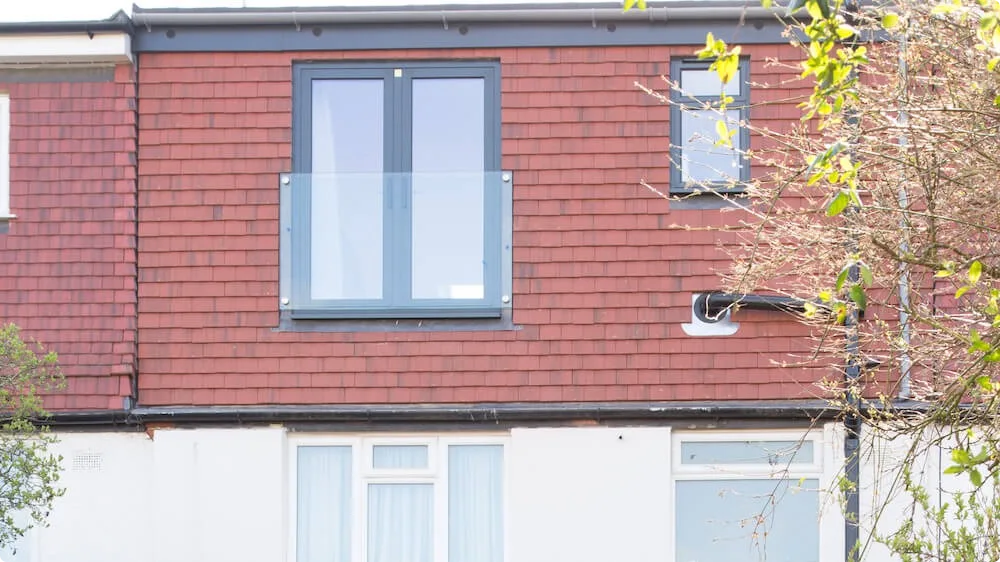
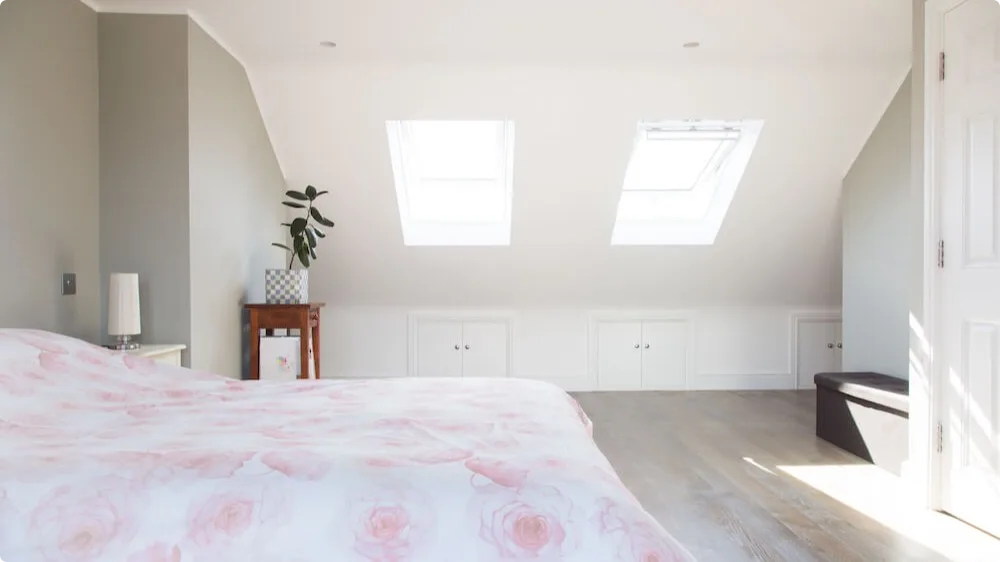
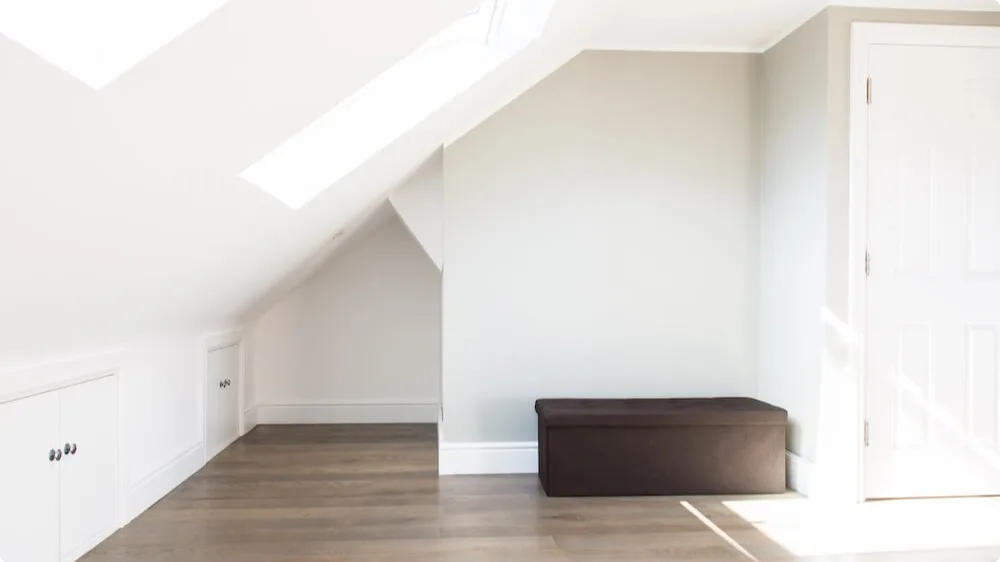
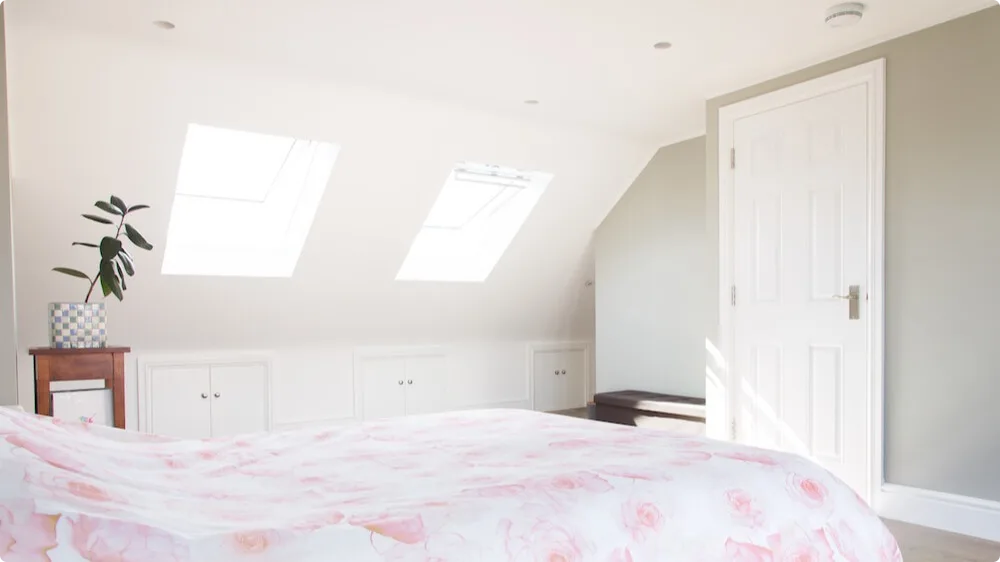
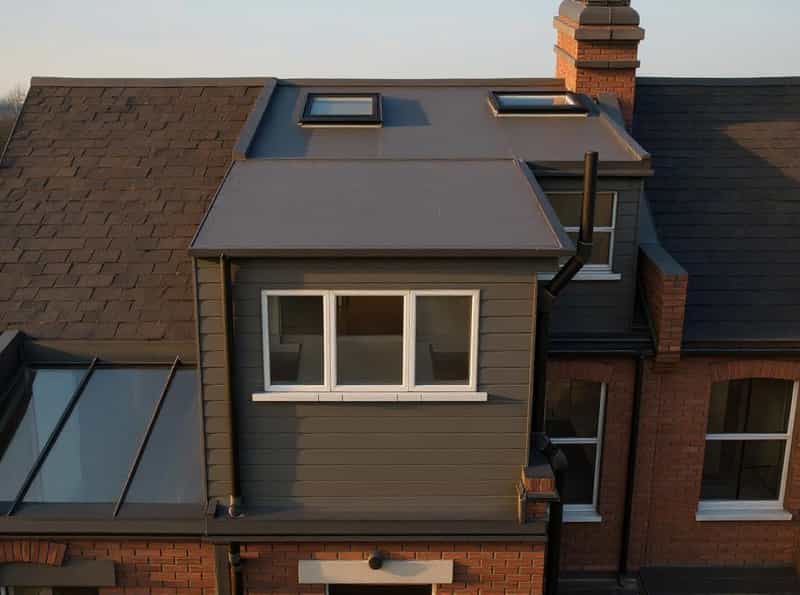
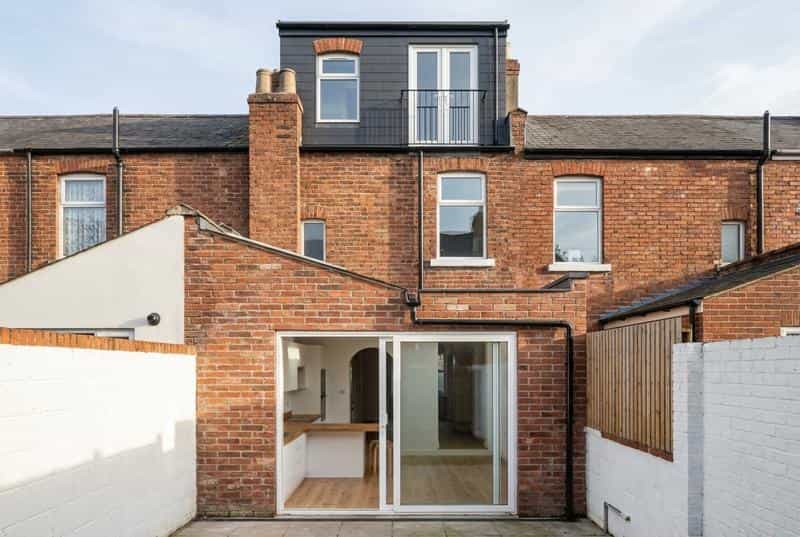
This house extension was created using a loft conversion, which came under the homeowner’s permitted development rights - meaning no planning permission was required! The classic main dormer extension added bags of new space onto the household and includes not only new double bedroom, but an ensuite too.
In designing this house extension, our team used skylights to bring in plenty of natural light, along with a juliet balcony for an extra connection to the outdoors. While other balconies require planning permission, juliet balconies are exempt.
On using Resi, the couple had this to say: “We immediately liked the functionality of the platform. It was brilliant to be able to upload our inspiration ideas. We could brainstorm, but keep everything in one place - no more pieces of lost paper!”
Could missing planning permission affect the 'saleability' of my home?
Missing planning permission may affect the saleability of your home. How? Selling your property without providing the necessary documents could put the new owner at risk, as they will be held accountable for any breach in the law during its construction.
Retrospective planning permission
Although it’s more common to gain planning approval before starting on a project, there are some cases where the project had already begun before approval was sought (it may be that you made these changes without realising that they required planning permission).
In such a situation, retrospective planning permission is required. Retrospective planning permission allows you to file for approval after starting the project.
You should be careful, though, because if your application is not approved, you will be required to return things to the way they were.
Hence it’s always more advisable to apply for planning permission before embarking on the project.
Indemnity insurance
This usually comes up when a seller cannot provide planning permission for the extensions or additions to the home at the point of sale. In cases like this, the buyer will be advised by their conveyance solicitor to get indemnity insurance.
Indemnity insurance protects the buyer from any legal issues that may arise concerning the building’s compliance, for example, building regulations and planning permission.
It’s worth mentioning that while indemnity insurance covers a legal defect with the property, it doesn’t cover repairs, replacements, or installations.
Resi offers an all-in-one solution platform to homeowners wishing to extend or renovate their homes. Our team of experts are equipped to handle everything from planning and permissions to financing solutions.
How to apply for planning permission if you need it:
If you do need planning permission for your extension or renovation project to go ahead, it’ll benefit you to understand how the system works and what documents you’ll need for your project to have the best chance of being improved. For this, you’ll need to submit a full planning application. If you’re new to the process and you’d like some guidance, contact our experienced Planning team for a step-by-step approach to getting your work approved.
Alternatively, if you’re confident to go it alone, you can enlist the help of an architect to create detailed drawings of both your existing property and your proposed plan. The more detailed and explanatory these drawings are, the greater your chance of planning approval will be so it’s in your interest to secure a professional for the job.
Once you have your detailed drawings, contact your Local Planning Authority (LPA). They will be able to advise you on what actions are needed.
Published Aug '23 • Last updated Oct '25 • 5 min read
→
FAQs
What is the maximum extension without planning permission?
For extensions on detached properties you can extend as far as 8m from the existing property and for other types of properties the maximum distance you tend to be able to stretch from the original property is 6m.
What happens if you buy a house with an extension without planning permission?
If you buy a house with an extension that hasn’t been granted planning permission, you may be in breach of the law. This could, depending on the local council, result in the extensions on the property being demolished to regain the property’s lawfully agreed state.
What is the 4 year rule for retrospective planning permission?
This rule allows homeowners immunity from planning enforcement action for unauthorised extensions or renovations to their property that have been in place for over 4 years.
Resi Design Ltd. trading as 'Resi' | Company No: 10471125
We are proud to employ architects registered with the Architects Registration Board and were awarded the mark for The Mayor's Good Work Standard for fair pay & conditions, wellbeing, skills, progression, diversity and recruitment.