What does £30,000 actually buy in 2026?
Typical build cost in London · 2026 · all figures before VAT
| What you could do |
Typical cost |
Fits £30,000? |
| Convert a single garage (minor works) |
£15k–£30k |
Yes |
| Build a conservatory (10 to 15m²) |
£7k–£15k |
Yes |
| Convert a detached double garage (minor works) |
£20k–£50k |
Only at the bottom of the range |
| Convert a loft without a dormer |
£25k–£50k |
Only at the bottom of the range |
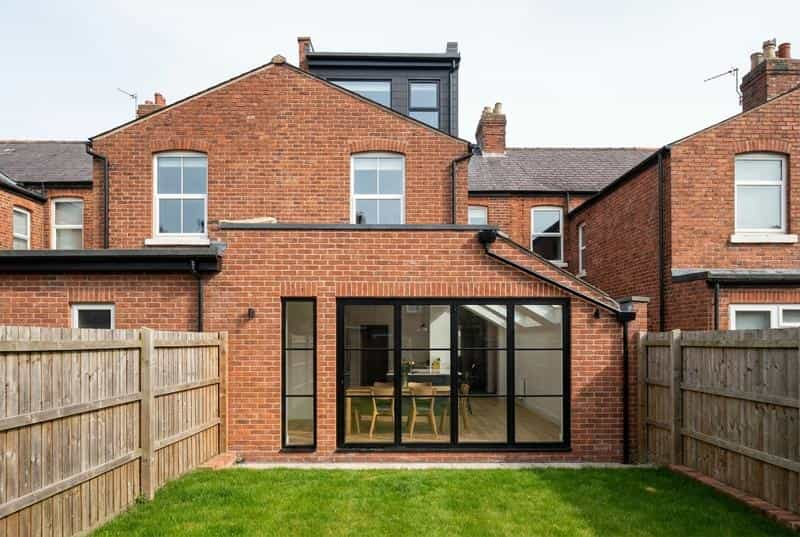
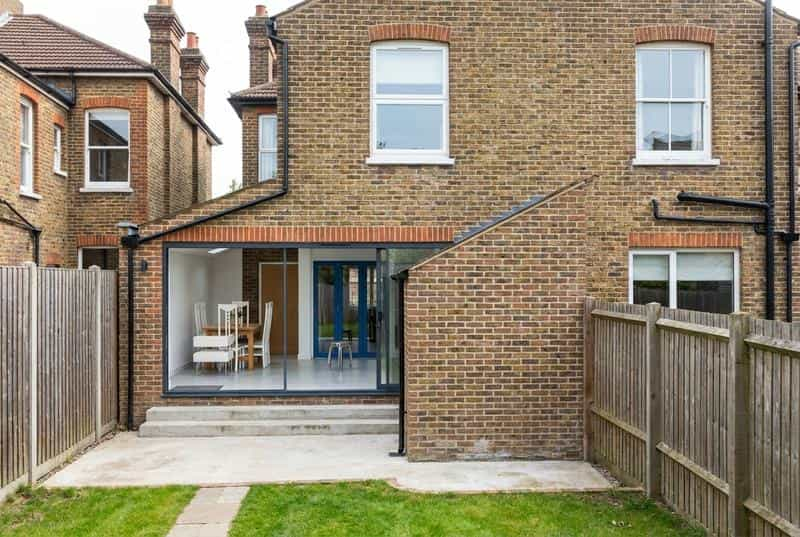
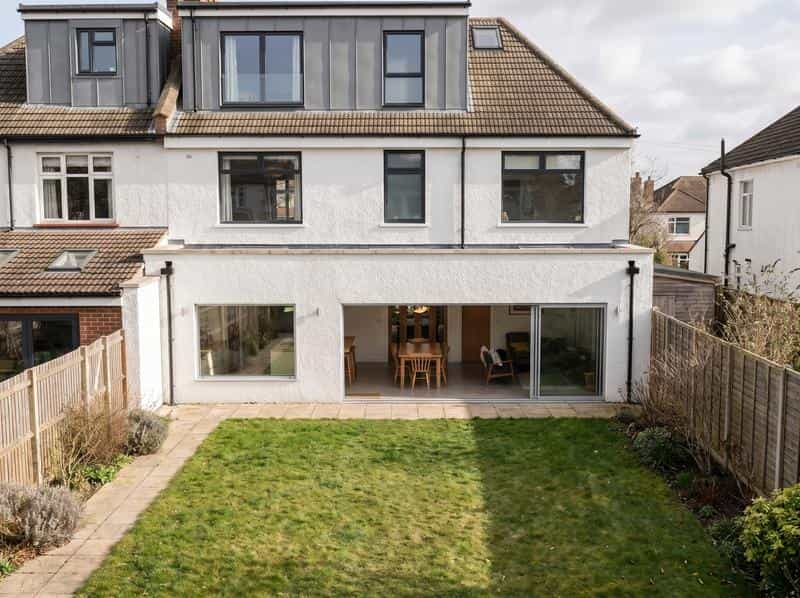
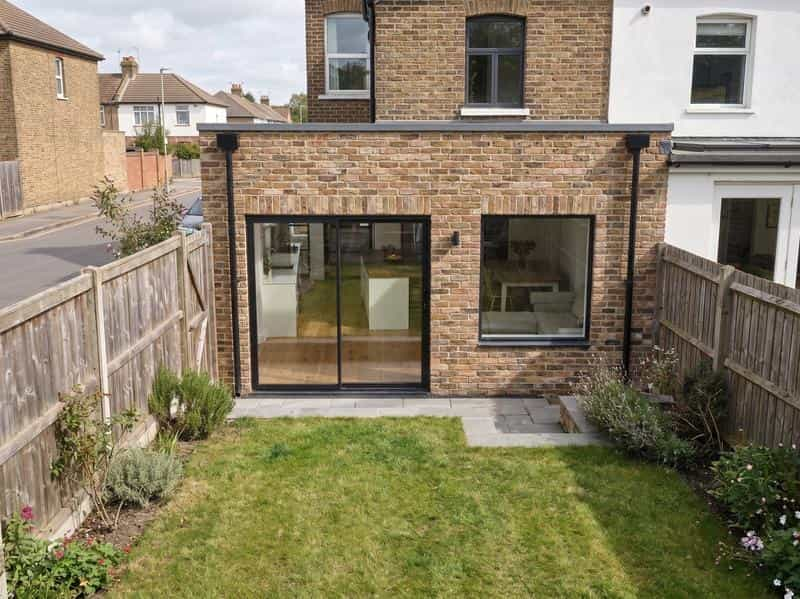
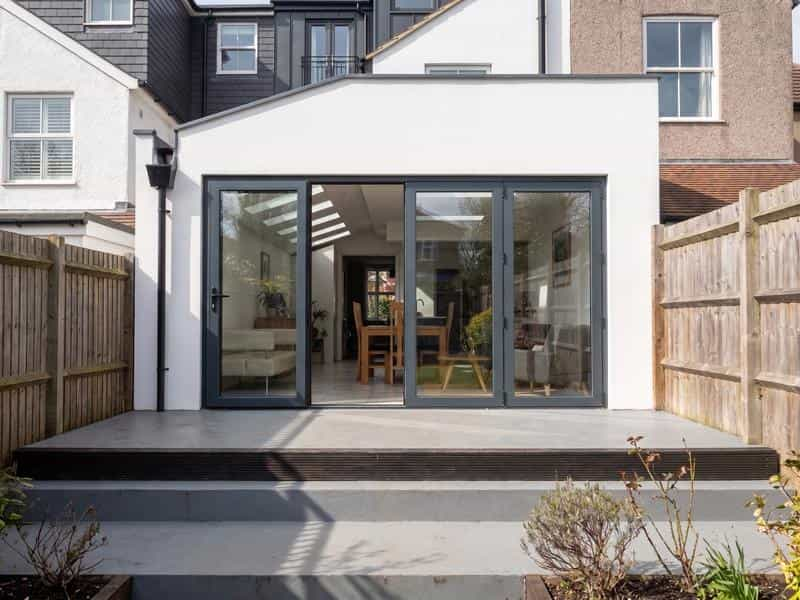
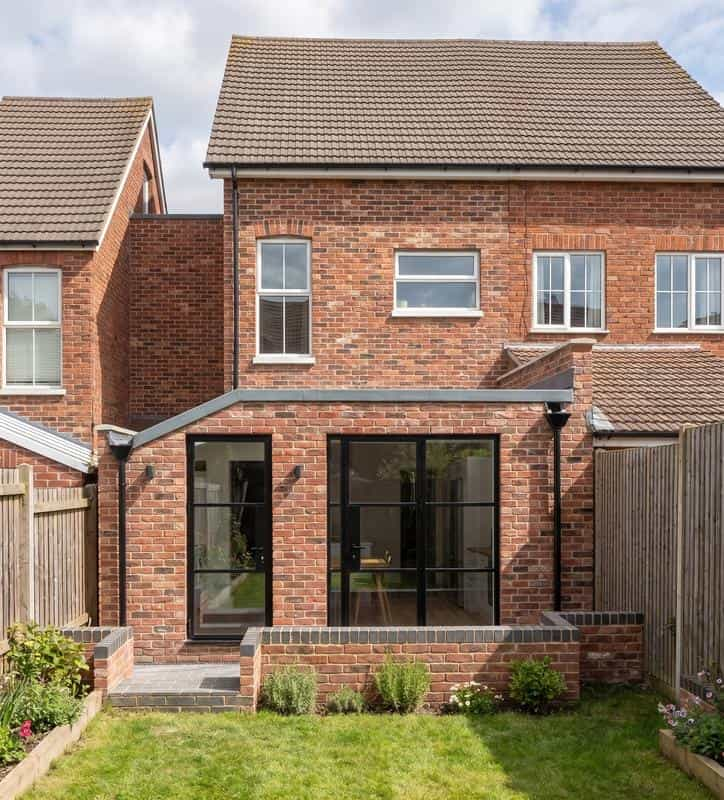
| Build a single storey rear extension |
£70k–£110k |
No |
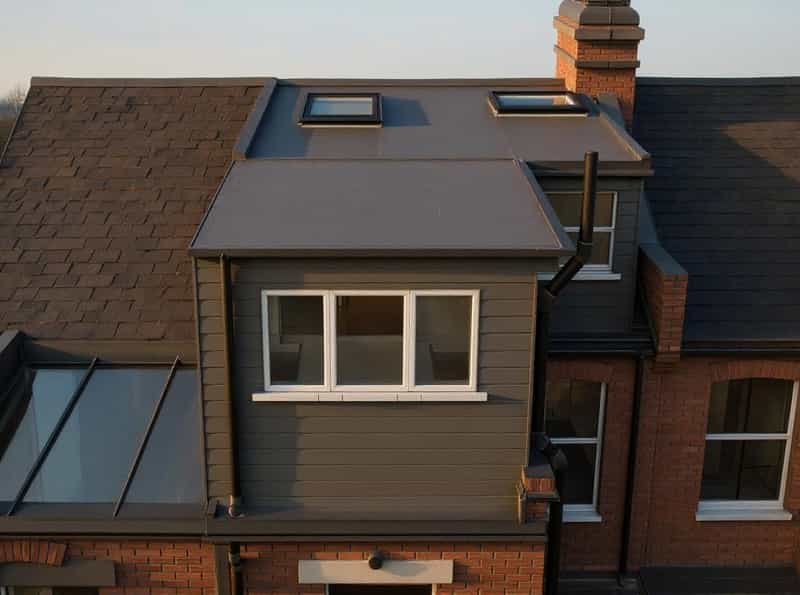
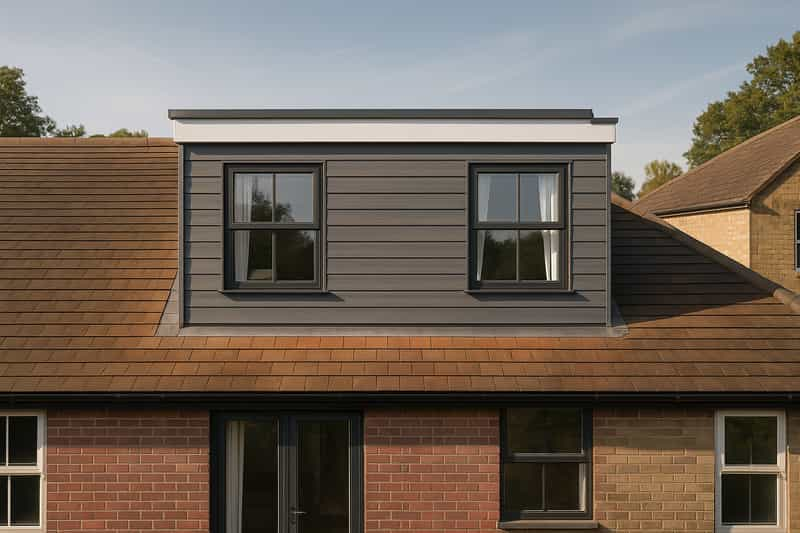
| Build a dormer loft conversion |
£60k–£80k |
No |
These figures are indicative first fix benchmarks based on construction tenders received through Resi. They are intended for early-stage budgeting only and should not be considered a quotation or guarantee of final construction costs. Actual costs will vary depending on project scope, specification, location, site conditions, contractor and prevailing market conditions.
To find out more about single storey costs, the breakdown by region can be found in the single storey costs article.
Three things decide how far the money goes.
VAT takes a fifth of it. Work on a house you already live in is standard rated at 20%. If £30,000 is your total, you are shopping for about £25,000 of building work.
Fit out is not in any of these figures. Kitchens, bathrooms, flooring, glazing, fitted storage, decoration and landscaping all sit outside them.
They assume nothing is wrong. They assume sound foundations, drainage and damp proofing, and that the rooms you disturb need decorating rather than rebuilding.
Want a figure for your own house? The Build Cost Calculator puts your size, location and finish level against Resi's project data.
Is a garage conversion the best value for the money?
For most houses with a garage, yes, and it is not close.
A single garage is usually around 15m². The work is priced per job rather than per square metre, because the money goes on a short list of items: removing the garage door and building the wall and window below it, building up and insulating the floor, insulating the walls, and getting heating to the room.
Check two things first. Measure the ceiling height, because the new floor build up eats 100mm to 150mm of it, alongside the new roof construction, which further reduces headroom. Should the resulting vertical clearance prove insufficient, raising the overall pitch or structure becomes unavoidable. And check your original planning consent, because houses on estates built from the 1980s onwards often carry a condition requiring the garage to stay available for parking.
Does a conservatory still make sense?
It is the cheapest way to add new floor area, and it has the widest gap between a good one and a bad one. A conservatory of 10 to 15m² typically costs around £7,000 to £15,000 before VAT, usually less than converting a garage.
Price is driven mostly by the frame. uPVC is cheapest and least fashionable, and a cheap uPVC conservatory on a period house can take value off rather than add it. Timber sits in the middle. Aluminium costs most, especially made to measure, and is the one that tends to look like part of the house.
The honest limitation. A conservatory is a room you use in spring and autumn unless you spend properly on glazing and heating. Heat it to the same standard as the rest of the house and it usually stops being exempt from building regulations.
Can you convert a loft for under £30,000?
Sometimes, and only the simplest kind.
The cheapest conversion to do this within a £30,000 budget is a loft conversion without a dormer, so the roof structure barely changes. In London this would cost around £25,000 to £50,000 compared to the North East which would cost £20,000 to £39,000. The price differs depending on the region in the UK.
Your roof decides this, not your budget. Building regulations set a minimum head height over the stairs and the usable floor area. If your roof does not have it, you need a dormer, for more information about this the loft conversion cost article explains everything you need to know.
Not sure what your roof can take? The Extension Potential Checker gives you a first read.
How far £30,000 goes by region
Labour and access cost more in the south, so £30,000 goes further elsewhere. The table shows the two options that come closest to £30,000.
Cost by region · 2026 · before VAT
| Where you are |
Single garage conversion (minor works) |
Loft conversion without a dormer |
| London |
£15k–£30k |
£25k–£50k |
| Surrey |
£15k–£30k |
£25k–£50k |
| South East |
£14k–£29k |
£24k–£48k |
| South West |
£14k–£29k |
£24k–£48k |
| East |
£14k–£27k |
£23k–£46k |
| Midlands |
£13k–£26k |
£22k–£43k |
| North West |
£12k–£25k |
£21k–£41k |
| Wales |
£12k–£25k |
£21k–£41k |
| North East |
£12k–£23k |
£20k–£39k |
Indicative first fix benchmarks from construction tenders received through Resi, for early-stage budgeting only. Not a quotation or guarantee of final costs. Add 20% for VAT.
A £30,000 total is about £25,000 of building work once VAT is paid. A minor garage conversion fits that in every region. A loft without a dormer fits only at the very bottom of its range, and only if your roof already has the headroom.
Which of these need planning permission?
Usually none of them, but each has a catch.
Garage conversion. Normally none, because the work is internal. You will need permission if a condition on your house requires the garage to be kept for parking, if an Article 4 direction applies, or if the property is a flat or maisonette. Building regulations approval is always needed.
Conservatory. Usually permitted development within the size and height limits for a rear extension.
Room in loft conversion. Usually permitted development if the added roof volume stays within 40m³ on a terraced house or 50m³ on a detached or semi detached one, and nothing extends beyond the front roof slope. Conservation areas change this. Building regulations approval is always needed.
Planning fees, where they apply. £548 for a householder application, £274 for a lawful development certificate (admin fees may be required on top of this).
Keep the completion certificate. Without building control sign off, a buyer's solicitor treats a converted garage as a garage and a converted loft as storage.
What do you pay for on top of the build cost?
- VAT at 20%
- Design, survey and drawings
- A structural engineer, wherever something new holds something up
- Building control application and inspections
- Planning fees, where they apply
- Your fit out: kitchen, bathroom, flooring, glazing, storage, decoration
Tell your insurer before work starts. Most policies restrict cover during building work.
The extension and dormer figures are Resi's own, taken from prices builders tendered on our projects in 2026, covering the structural build to first fix, net of VAT, on an outer London baseline. The extension figure is modelled forward from a measured 2025 median. Single storey extension cost sets out the full basis.
The garage, conservatory and loft figures are typical market ranges rather than project data, and they are labelled that way wherever they appear.