Natural light in interior design
The benefits of natural light are plentiful and significant. It can provide us with Vitamin D that’s vital for bone health and can also help ward off or soothe seasonal depression. Natural light can also improve sleeping patterns by regulating your circadian rhythm (this is the internal system that conducts your sleep-wake cycle approximately every 24 hours).
Interior design is the art and practice of enhancing the interior appearance and health of a building. Naturally, light is a key consideration for interior designers and architects alike.
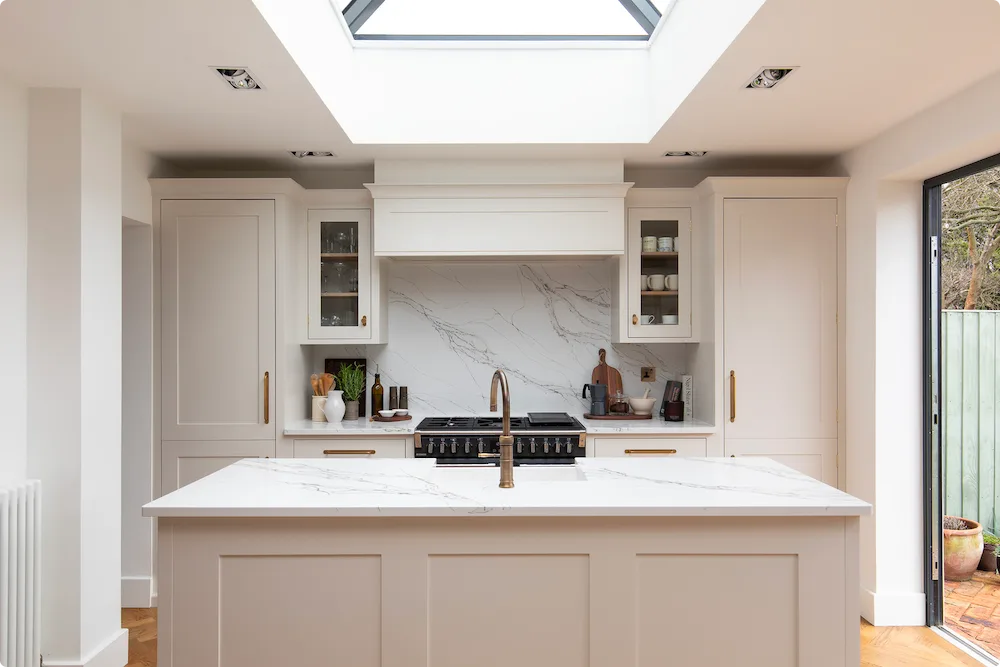 © Matt Gamble
A window into the role of light in design through time
You only need to track how window trends have changed in UK housing over time to track the evolution of natural light in architecture and design.
If you go back in time as far as the 16th century, windows were directly linked to wealth and it was only prosperous households that could afford the glass that reduced heat escaping through. Windows at this time – particularly larger styles – were indicative of privilege and also suggest that natural light was a coveted asset to a home. This was mirrored in the window tax, introduced in 1696, that encouraged those who couldn’t afford to pay it to brick up their windows – a relic of harsher times that we still see left over from harsher times today.
Window glass wasn’t mass-produced until the 19th century and it took until the 20th century for sash windows in regular houses to be popularised. The rollout was swift and the appetite for natural light was undeniable.
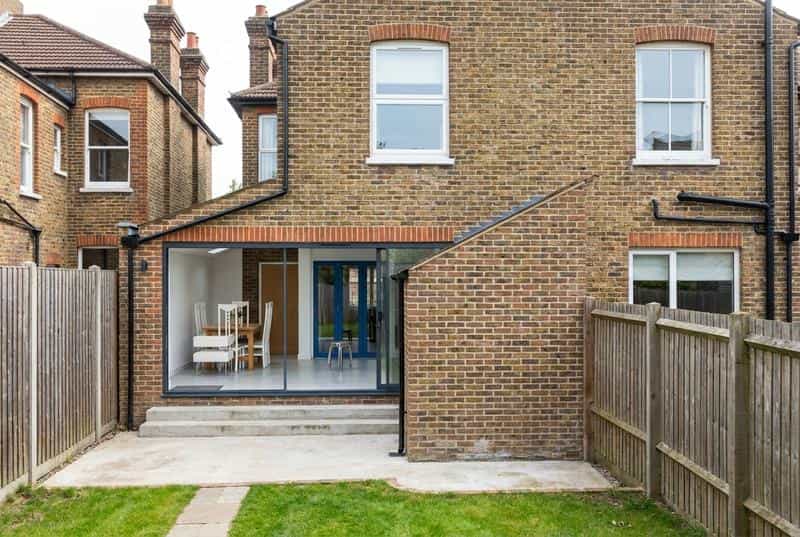
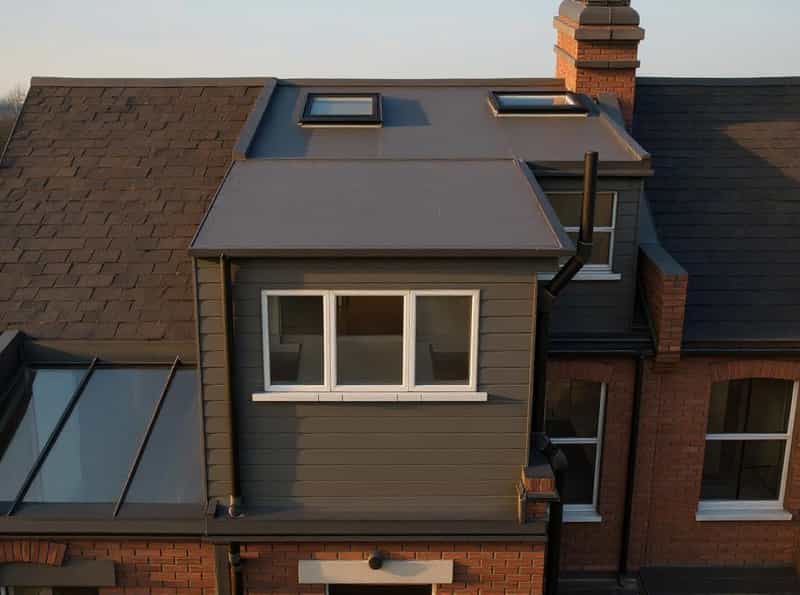
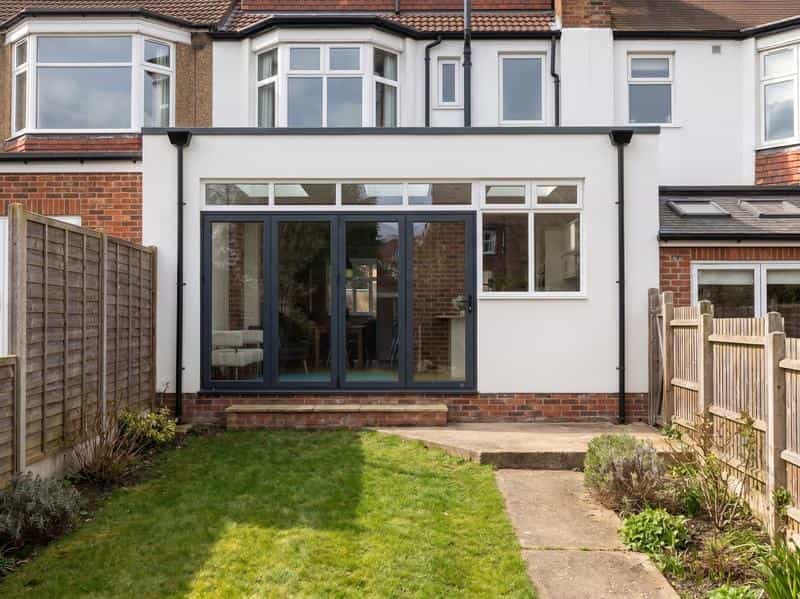
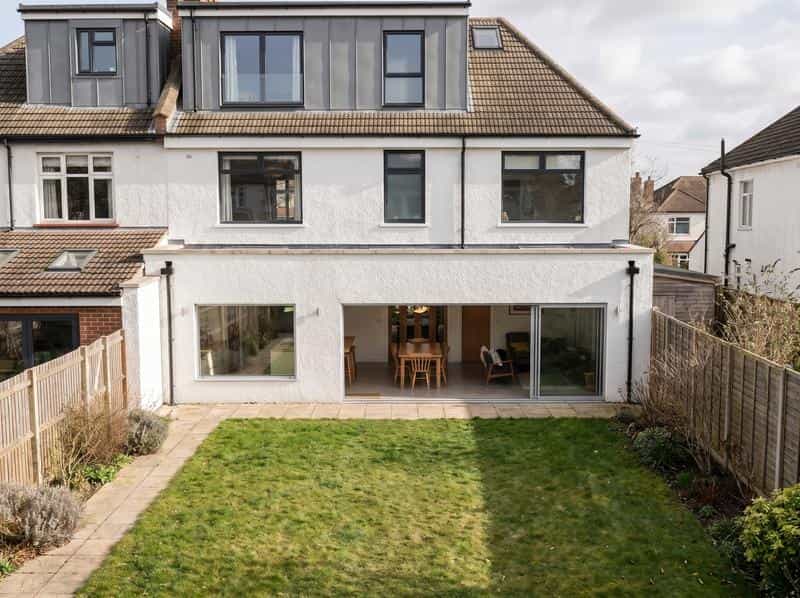
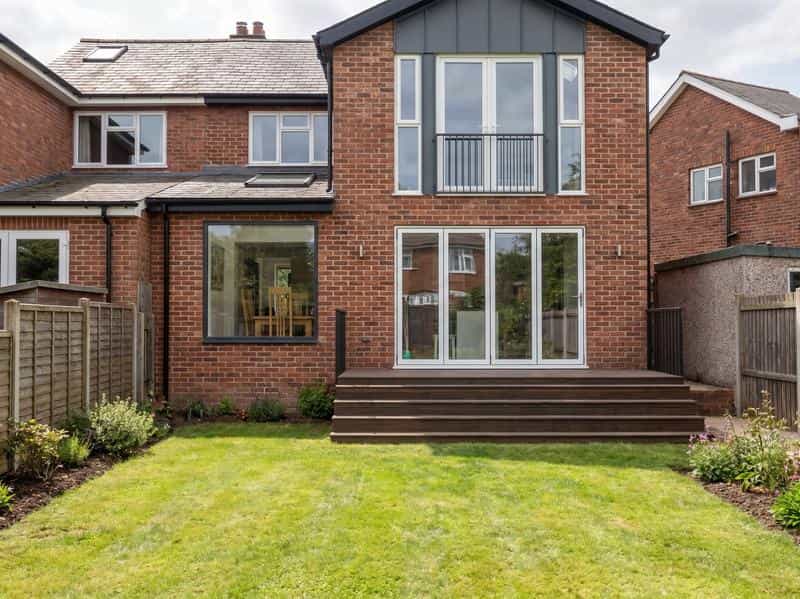
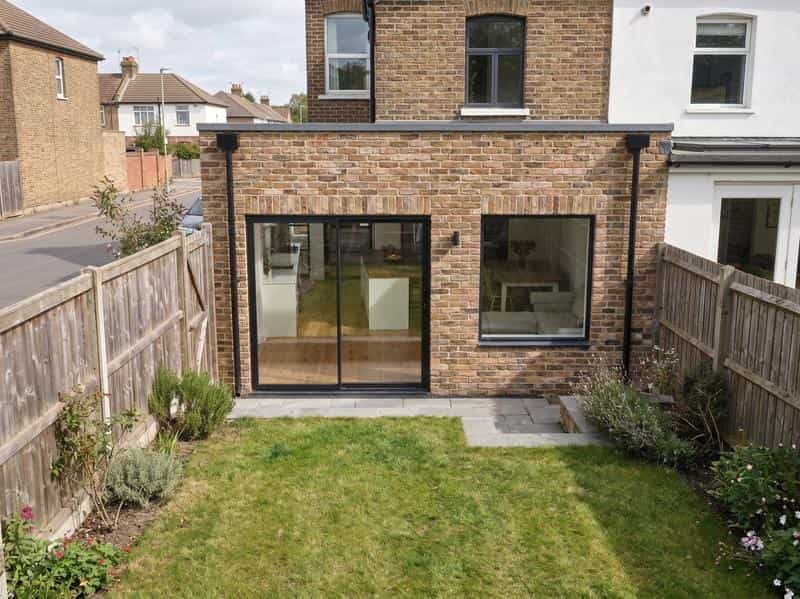
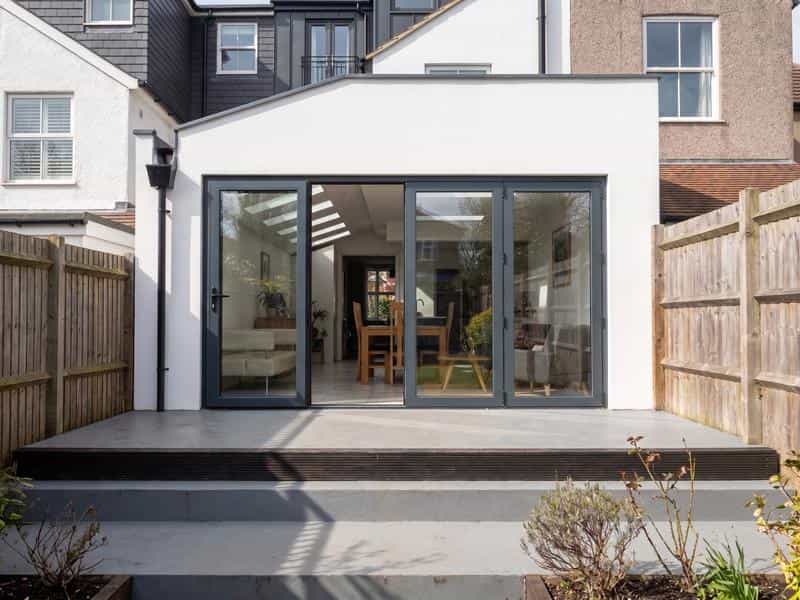
To this day, the presence and amount of natural light in properties remains a huge selling point. But we’re a long way from single, simple sashes. The aesthetic demands on the humble window have escalated and snowballed to include skylights, entire glazed extensions and even bifold doors. So what’s it all about?
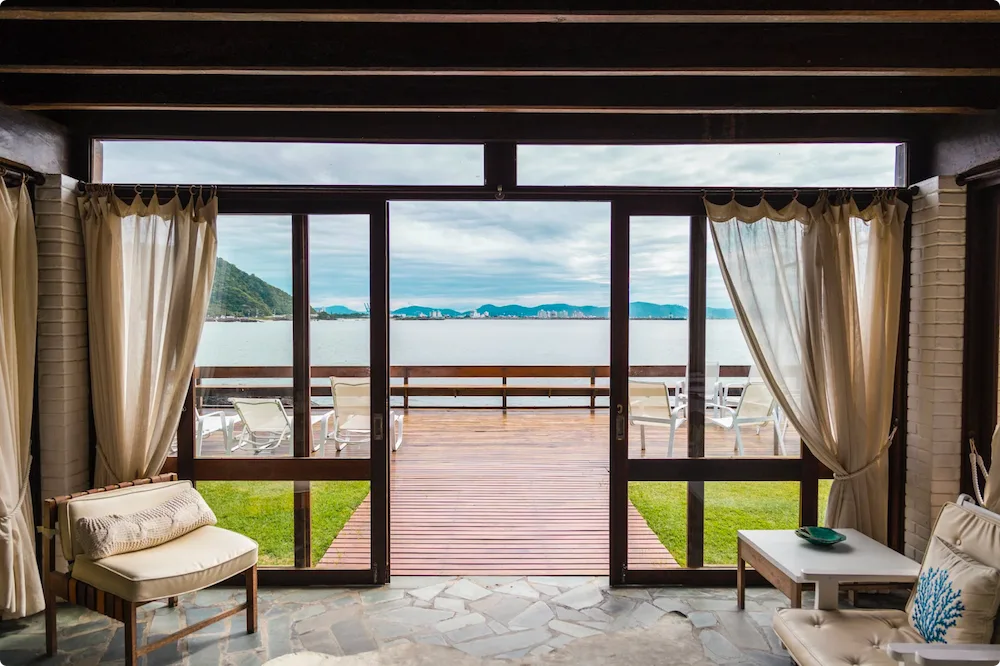
Is natural light… a trend?
As we’ve touched on above, access to natural light has been coveted since the 16th century. Demand has maintained extremely high and, in the wake of social media, it has soared.
Pinterest is a site where you can collect (or ‘pin’) and curate a series of images – one of its predominant uses in online culture, alongside recipe-collecting and wedding planning, is creating mood boards for dream homes. In fact, according to a Hootsuite report, 85% of Pinterest users say they use the platform to plan projects. This suggests that the consumer public as a whole are aspirational in their home interior ambitions and are using the platform as an active stepping stone towards taking real-life action.
Exploring this deeper, you’ll find that some of the most popular images of interiors on Pinterest and other social platforms are homes that incorporate natural light access into their design – also referred to as ‘Mood and wellness lighting’. These typically boast windows that allow in copious streams of light and often cross over with biophilic design. The rise of these trends is also notable in public spaces such as co-working hubs, cafes and even retail spaces. If this popular aesthetic could be written it would read something like: bright, spacious, windows, plants, vintage and upcycled furniture.
Given the history of natural light being a premium as far back as the 16th century, it seems that we’ve always known and understood the importance of natural light to some extent. That being said, light being sold as a luxury predates any of our knowledge of the mental and physical health benefits it has.
So, perhaps the movement towards vast, light-inviting windows and skylights aplenty that we now see flooding social media and design magazines stemmed from this initial desire for interior design that once symbolised a certain status and wealth. And, as our knowledge of the mental and physical health benefits of natural light has improved, this trend may have evolved into a more nuanced pursuit that acknowledges the advantages it can bring to our well-being. It could also be suggested that our preoccupation with natural light in interior design is influenced by social media itself.
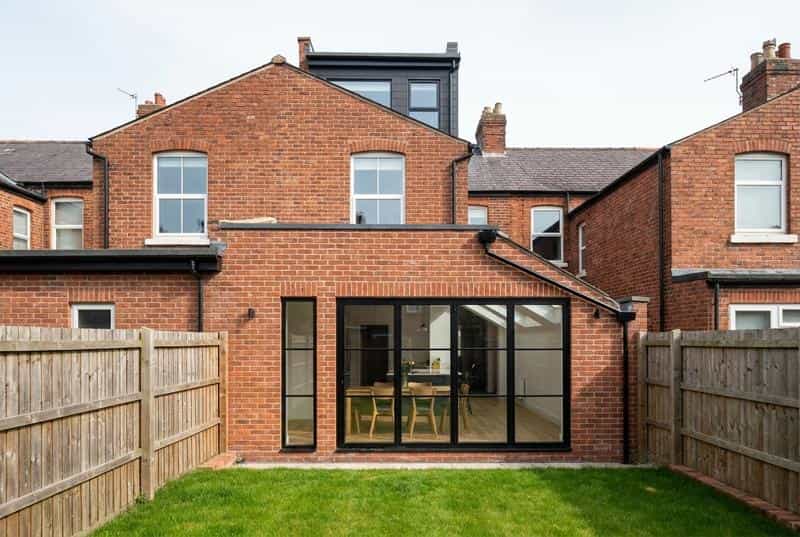
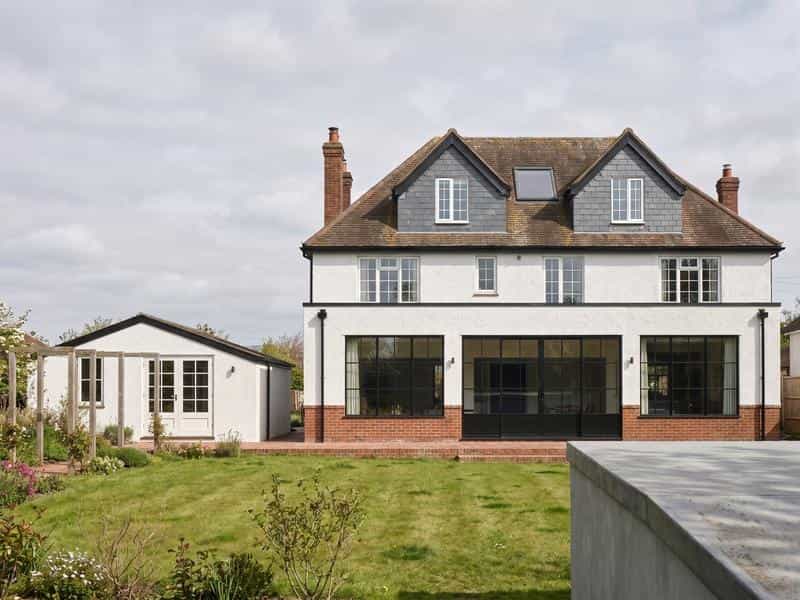
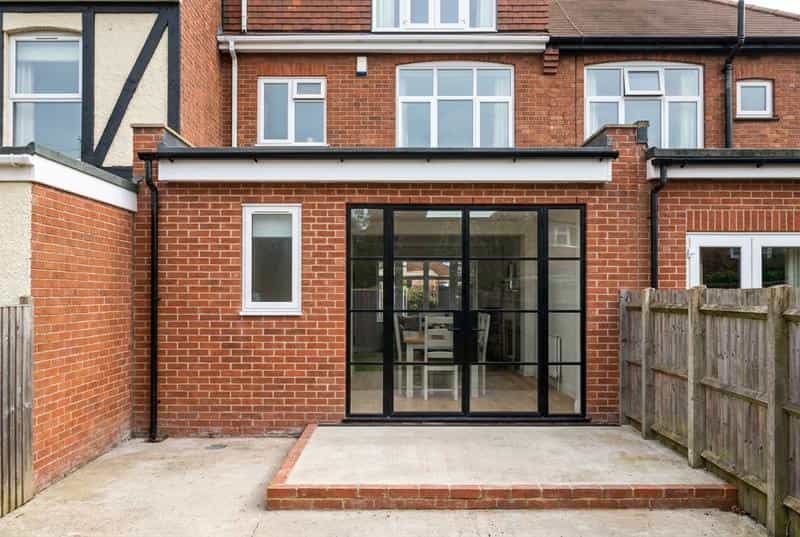
Despite some design trends for darker woods, deeper shades of colours for the walls and more opulent textiles coming and going, the pursuit for natural light always comes back around. Given its importance towards wellbeing and the potential value that it could introduce to your property, investing in features like skylights and crittall doors seems worth the long term benefits.
How to improve light in your home:
Whether we’ve always been obsessed with light or we’re led by current trends on social media, interior design platforms and beyond, the headline is: natural light is here to stay. Read this article for our design experts’ top 7 tips for maximising the amount of light in your home.
For practical advice that’s personalised to your property, book a free advice call with one of our in-house experts. Alternatively, if you have an idea for a project in mind, use our Quick Quote Calculator to see how much it could cost you.
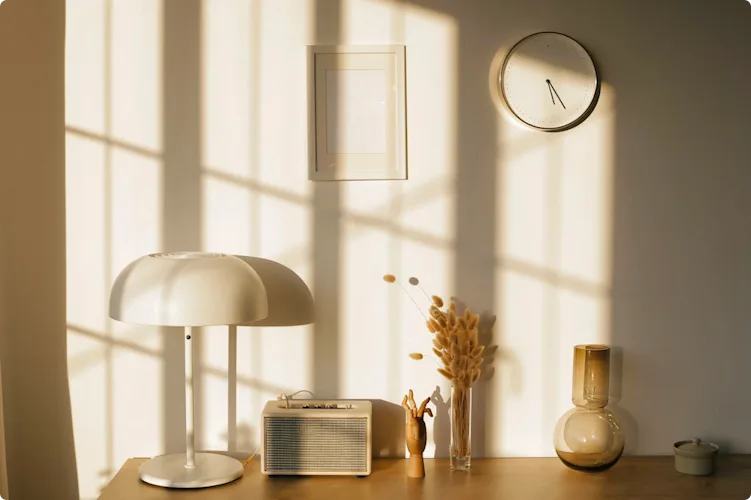
 © Matt Gamble