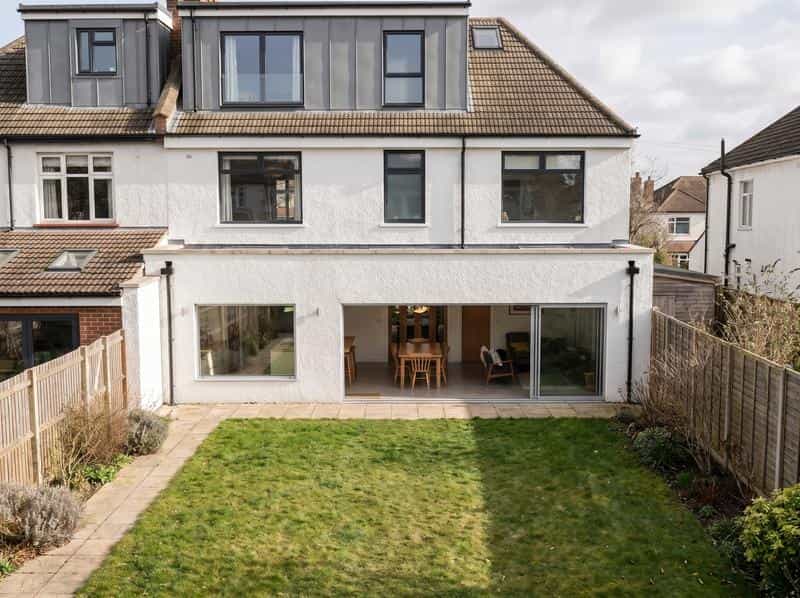
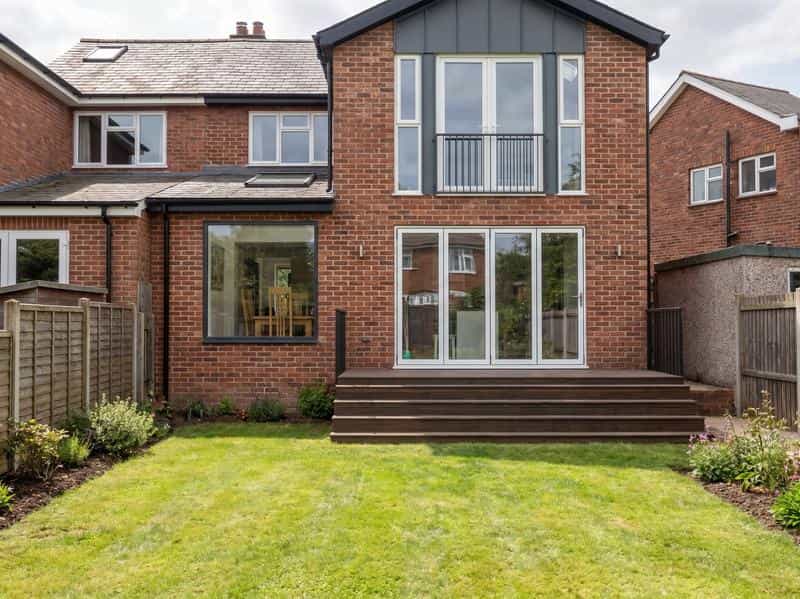
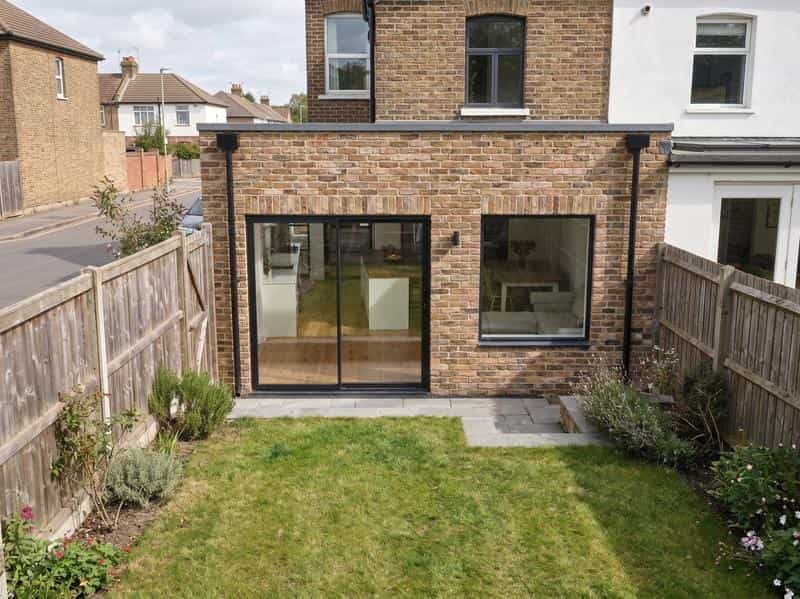
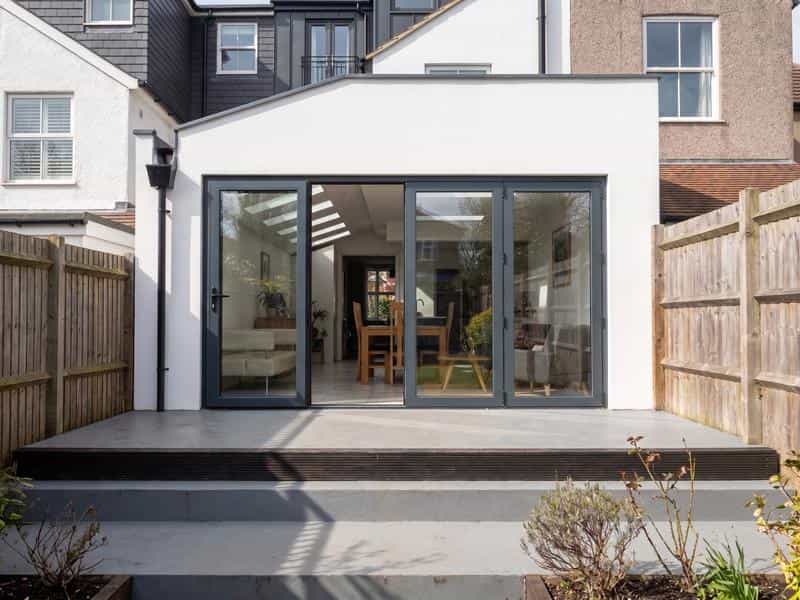
Whether you’re extending, converting your garage, or building your dream home, you’re going to need a roof. This is Britain, after all.
For many, the choice falls between two: pitched and flat. The former being a classic, but flat roofs have certainly seen a resurgence in modern design. So, which is right for you?
Let’s weigh up the pros and cons…
Pros of a flat roof
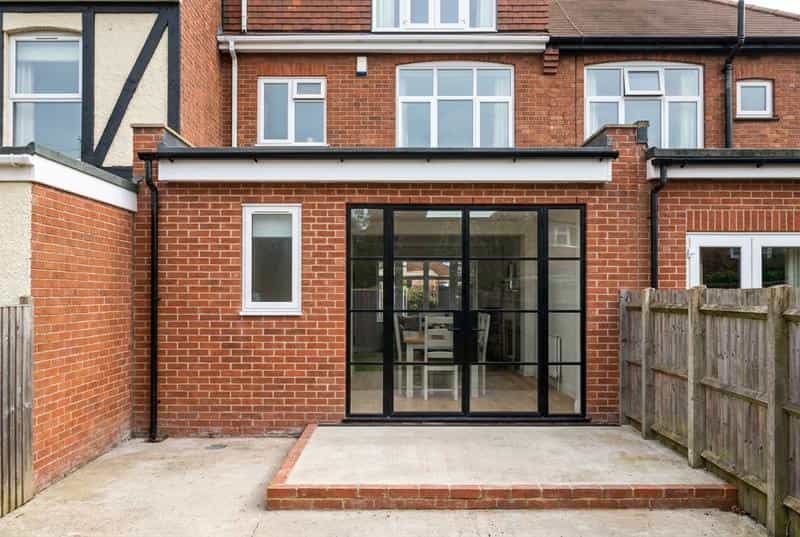
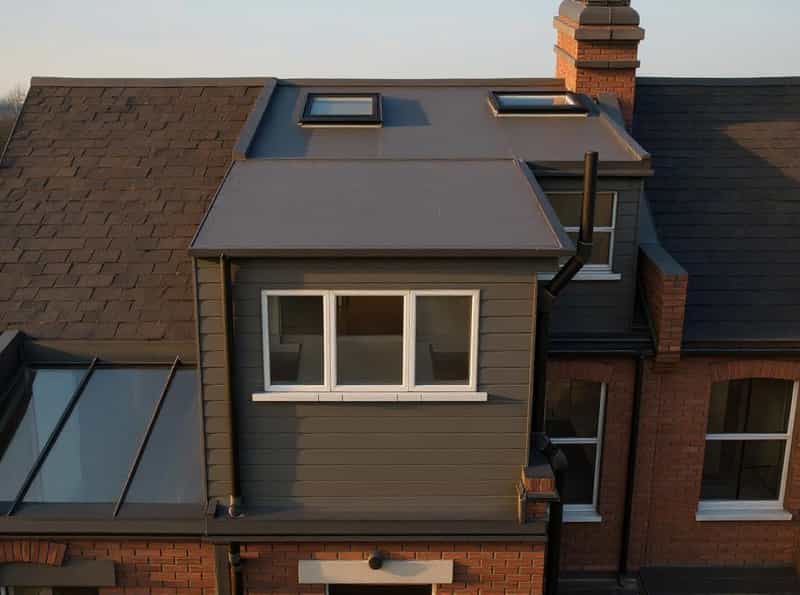
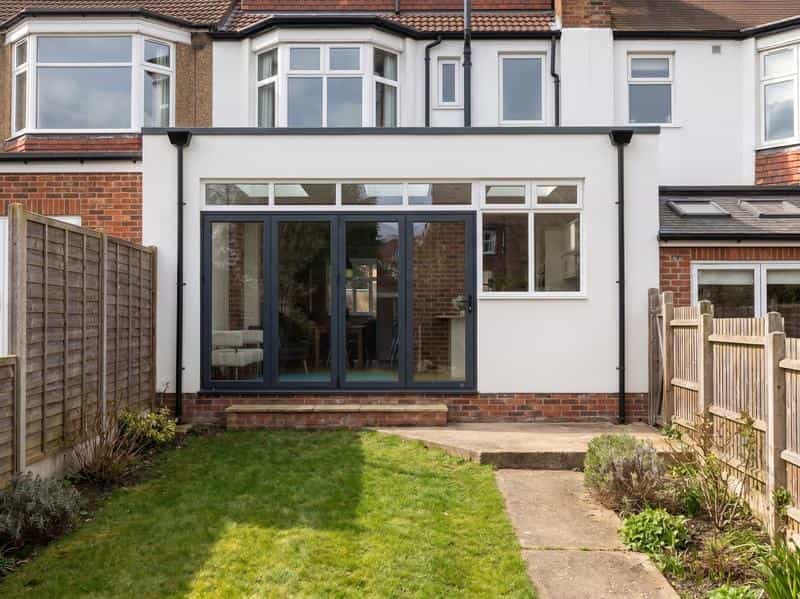
In the past, flat roofs had a pretty bad reputation. However, thanks to new materials giving them extra strength, you’ll be seeing them pop up more and more in contemporary home design.
One reason why more homeowners are turning to them is speed. Flat roofs take a lot less time to construct than pitched. This is a real bonus if you want to cut both your contractor costs, and if you want to avoid long periods paying rent on temporary accommodation during the construction phase.
What’s more, flat roofs require fewer materials, giving them an even greater cost advantage. On the whole, if you’re looking to make savings, flat roofs are often the cheaper of the two.
Flat roofs are also very compact, taking up less head height than pitched. This could work in your favour if you’re converting a garage or building an extension, both of which will be subject to planning rules that could restrict the height of your project.
And don’t worry about rain gathering up there. Though they don’t have the same level of drainage as pitched, flat roofs are cleverly designed to subtly stop water from pooling and flooding your home.
Cons of a flat roof
Flat roofs are now commonly made from a material known as EPDM, which has helped take their lifespan from 20 years to 30. However, this is still 20 less years than you’ll get from a pitched roof.
You could further increase its longevity by laying down an asphalt roof, but this will require either a concrete base to start with or a similar strengthed foundation. And again, even with this extra work, it is still unlikely that it will outlive its pitched counterpart.
Flat roofs will also require much more maintenance, and therefore incur more day to day costs. It might be, with maintenance, and the early replacement, your flat roof eats away all those initial savings you got during construction.
How much does a flat roof cost?
The cost of a flat roof will depend on your chosen building material. On average, to build a flat roof, you’ll be looking at…
- Felt - £50 - 70 m2 (square metre)
- EPDM - £80 - 100 m2
- Fibreglass - £90 - 120 m2
However, take these prices with a pinch of salt. Prices will vary hugely, depending on your location, accessibility, the details of the job, and the expertise level of your tradesperson.
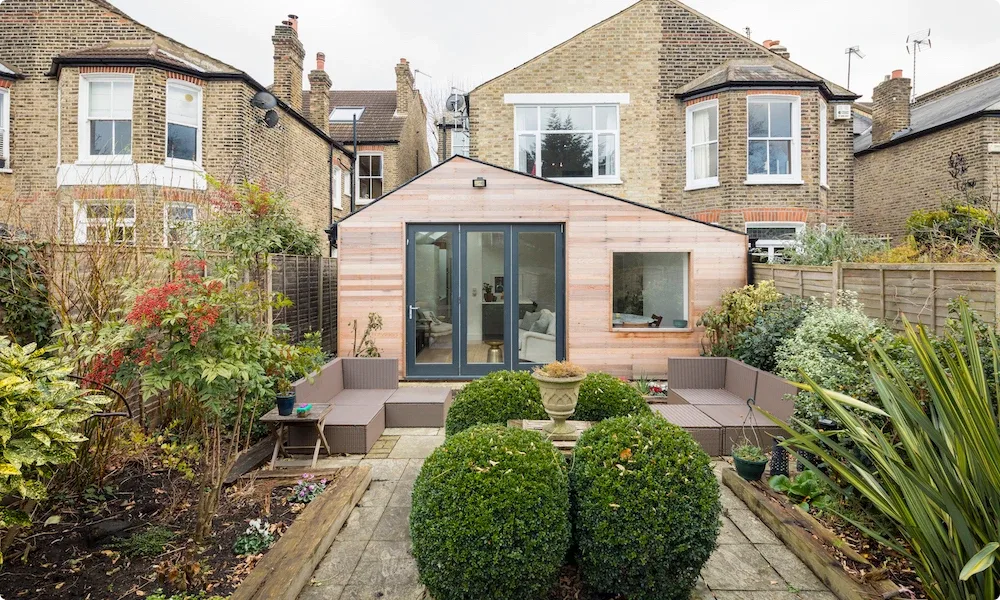
Pros of a pitched roof
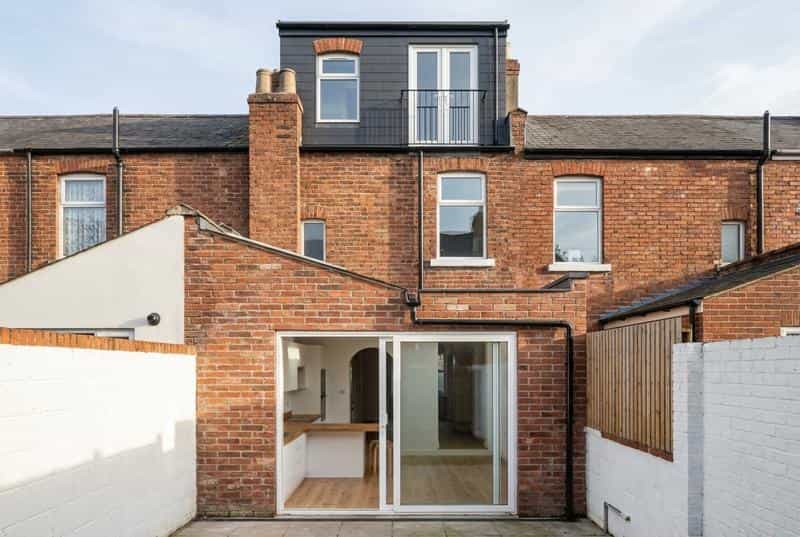
There’s a reason so many people prefer the pitched roof, and the biggest reason of all is their longevity. On the whole, a pitched roof will likely outlive any flat roof contender, thanks to the higher quality materials used in their construction.
They also require less maintenance too. Partly because of the stern stuff they’re made from, but also because those sloping sides help drain away rainwater, avoiding any destructive pooling.
You’ll also be able to maximise on the space in your home, thanks to those high ceilings a pitched roof can provide. This means extra space for your money, another reason why pitched might be more cost effective in the long run.
Speaking of the long run, don’t forget to consider your future buyers too. An ugly roof can be off-putting, so unless your architect can keep a flat roof stylish, the classic look of pitched might be your best bet for increasing the price of your home.
Cons of a pitched roof
The biggest set back to a pitched roof is the price.
Not only does it take longer to install, and therefore incur more contractor fees, the materials used and the skill required will push your construction bill higher and higher.
You’ll also need to consider whether a pitched roof will be permitted in the planning stages. As we said above, the increased head height can be contentious. Both traditional planning permission and permitted development rights take height into consideration. They’ll also look at whether or not the height of your new roof will impact any neighbouring properties, such as through overshadowing.
And while a pitched roof requires less maintenance, should any repairs be needed, the roof will be harder for tradespeople to access - costing you more for the service.
How much does a pitched roof cost?
Pitched roofs have a greater variety material available, so more costs to consider. If you want to create a long-lasting structure, these are the materials we recommend and how much they'll set you back...
- Zinc £60 - £80 m2
- Natural slates £90 - £120 m2
- Clay tiles m2 £30 - £65 m2
Want more roofing advice? Book a consultation with our team. Resi offers free home advice, letting you discover your home’s hidden potential.