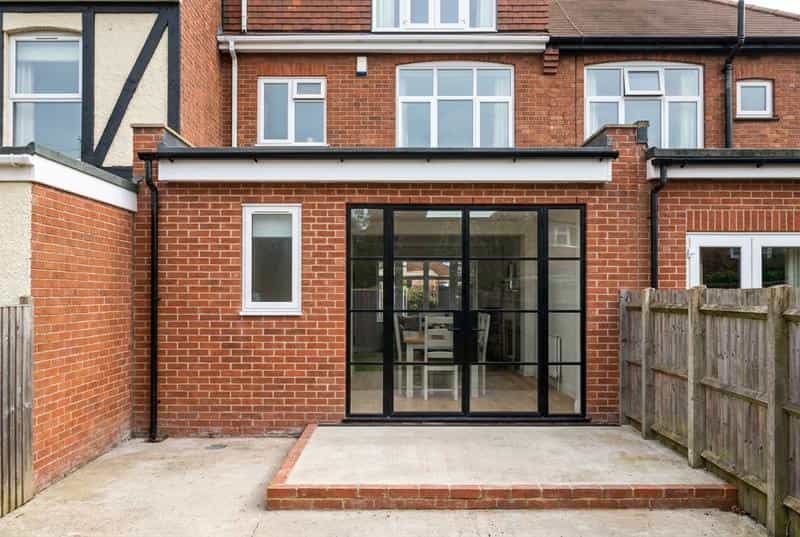
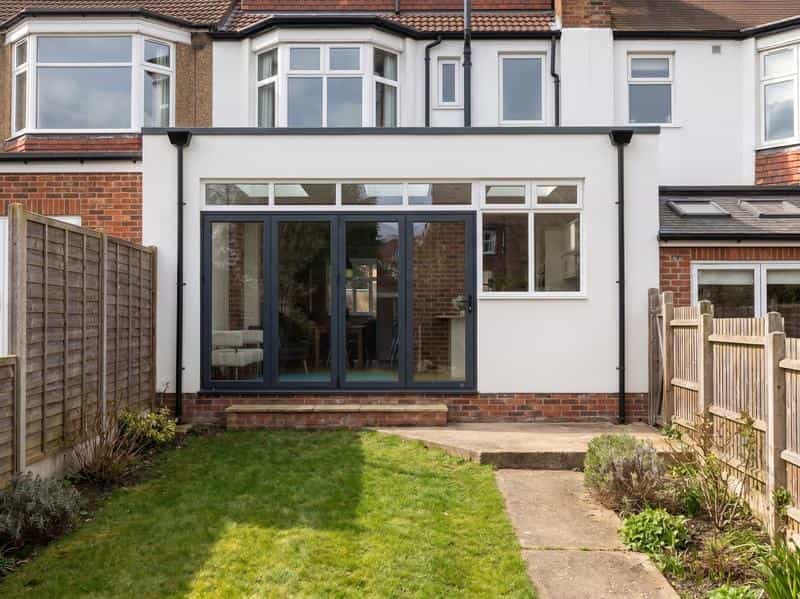
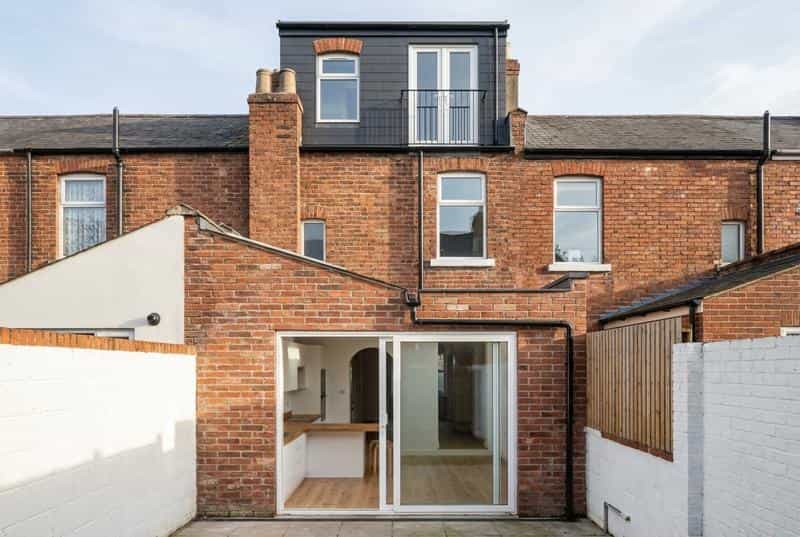
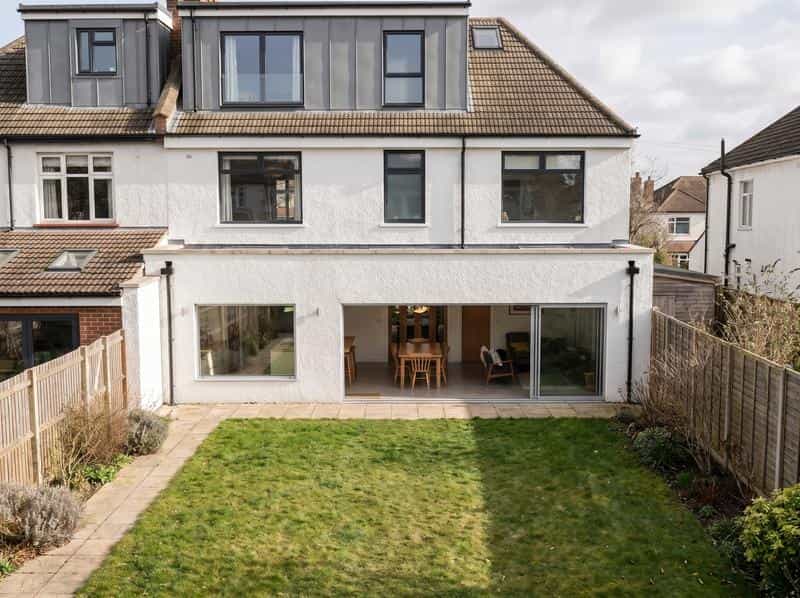
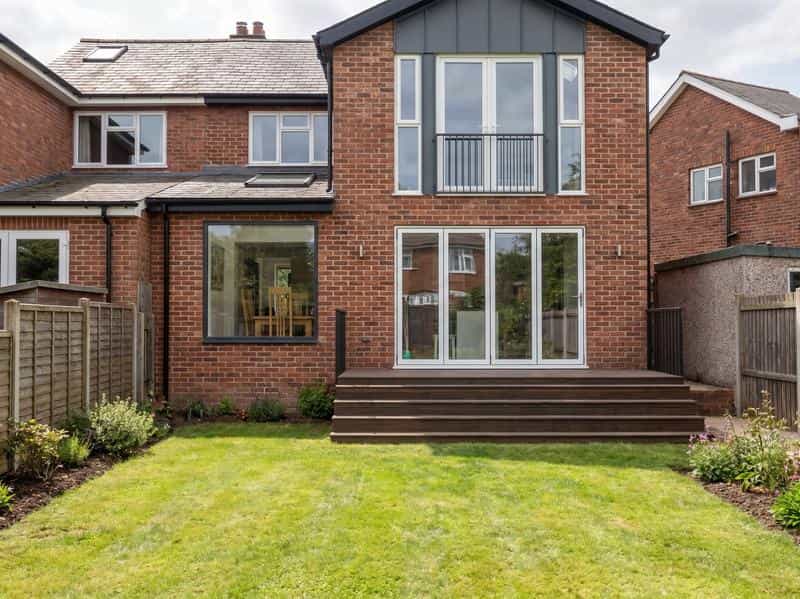
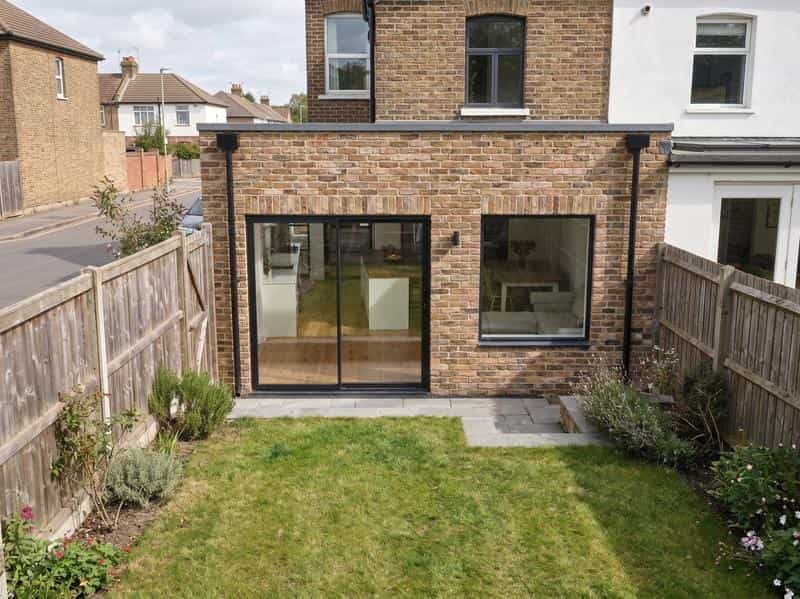
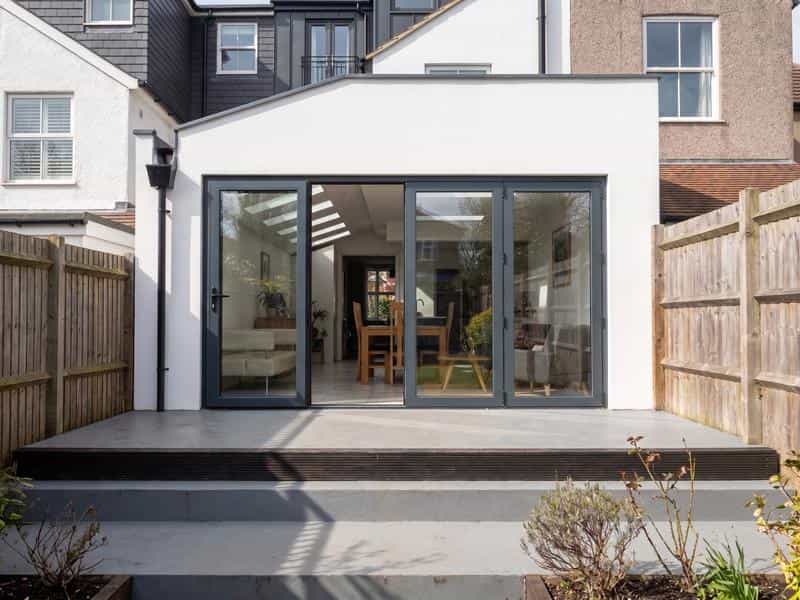
Wraparound extensions, or L-shaped extensions, have been a popular choice for houses with the available space to move into for a long while now. This type of extension is now beginning to gain popularity in flats – particularly when it comes to city centres where extra square metres come at a premium. We explore what a flat wraparound extension is and whether it could be a good option for increasing the size of your property.
What is a wraparound extension?
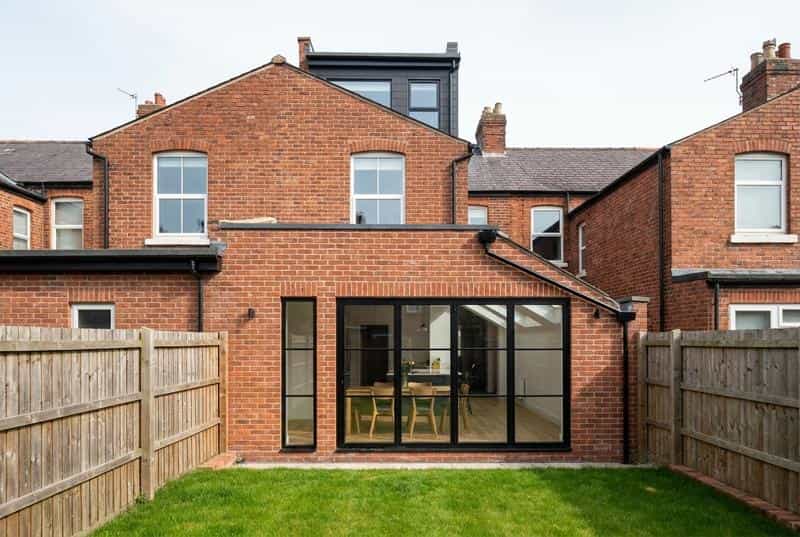
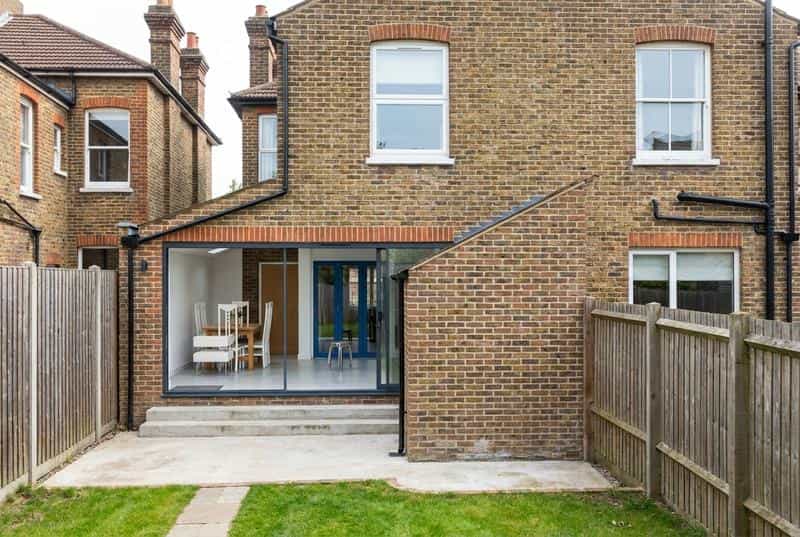
Wraparound extensions combine more traditional rear extensions with side infill extensions to add on an L-shaped space to your property. It’s a great way of filling in space around the existing parameters of your property and maximising your space.
What kind of flats are suitable for a wraparound extension?
If you’re lucky enough to have a ground floor flat that has garden space you can build into, as well as dead space to the side of your property, you could be in a prime position for a flat wraparound extension. A great example of the sort of property that could be suitable for this is one that has previously been converted from a Victorian terraced house into separate flats. This is thanks to the common presence of an alleyway to the side of the home that could be built into.
That being said, a wraparound extension would be a great choice for any ground floor flat with room to the back and sides. To get an expert view of whether your flat could be a good candidate for a wraparound extension, book a free advice call for invaluable insight.
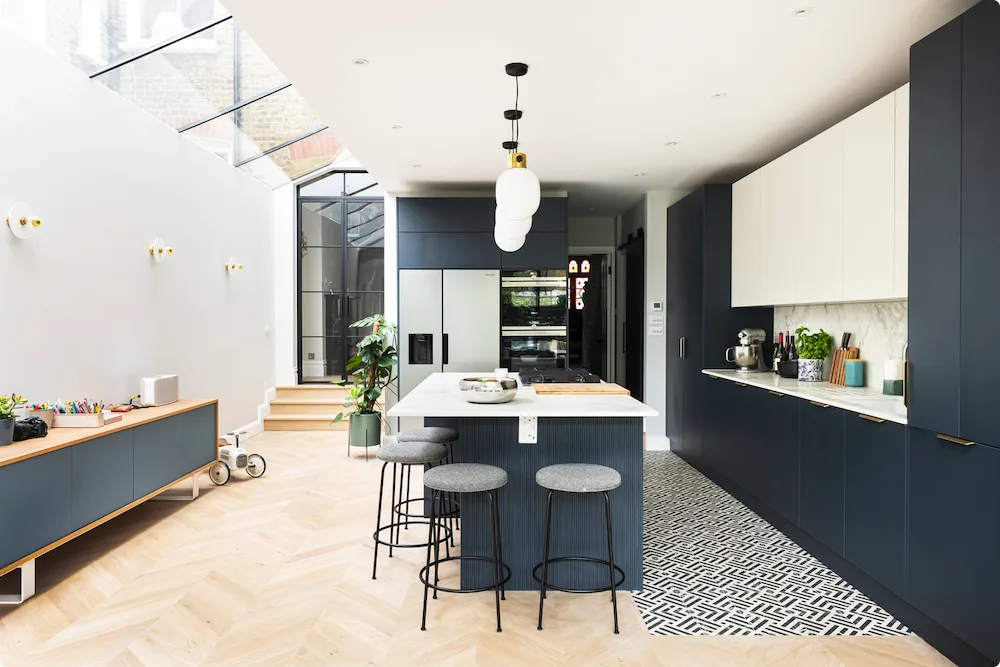
Why choose a flat wraparound extension?
With the high house prices of city centres, it may not always be viable to move and an extension could be the answer to your problems. Our Resi consultants report that a rising number of people are opting for flat wraparound extensions as a way of an extra bedroom to the layout. This could not only improve the ease of everyday life for you and your family (particularly if you’re welcoming in a little one or creating space for an older relative), it could also add value to your property and make the future prospect of upsizing more tenable. Here are some other ideas for what your new-found space could accommodate:
Am I allowed to extend my flat?
One huge consideration when it comes to extending your home is whether you can get the correct permissions to carry out your work. Unless you own the entire freehold of the building that your flat is inside, you’ll need the consent of the freeholder(s). For a more comprehensive guide about how to get freeholder consent, check out this article.
Allowing enough light into your flat wraparound extension
When you’re weighing up whether to choose a wraparound extension for your ground floor flat, you may want to consider how the build will impact on the amount of natural light available in your property. Here are just a few ways that you can increase your space without blocking off light – after all, there’s plenty of research to suggest how vital it is for our health and wellbeing.
Include a courtyard
If you’re looking for your flat wraparound extension to create a new room for you, you might be advised to accommodate a courtyard space in your plans. It’s often required from a planning perspective thanks to rules in the UK that bedrooms receive an adequate amount of natural light. It can also be an asset in terms of retaining some outdoor space if the wraparound extension itself is limiting the amount of garden area available.
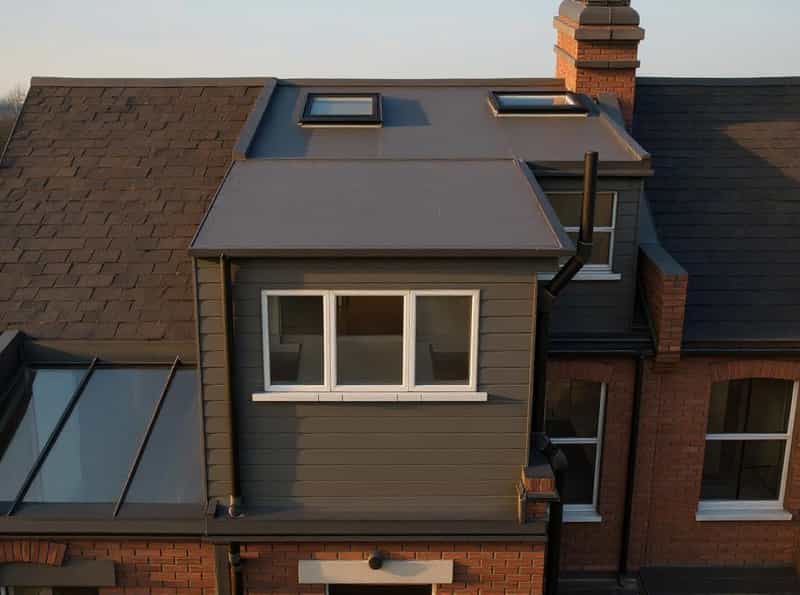
Skylights are a fantastic option for supercharging the amount of light in a room without limiting the amount of space available. They come in a huge array of shapes and sizes so you can select one that looks fantastic with your new space. Learn all you need to know about skylights in this article.
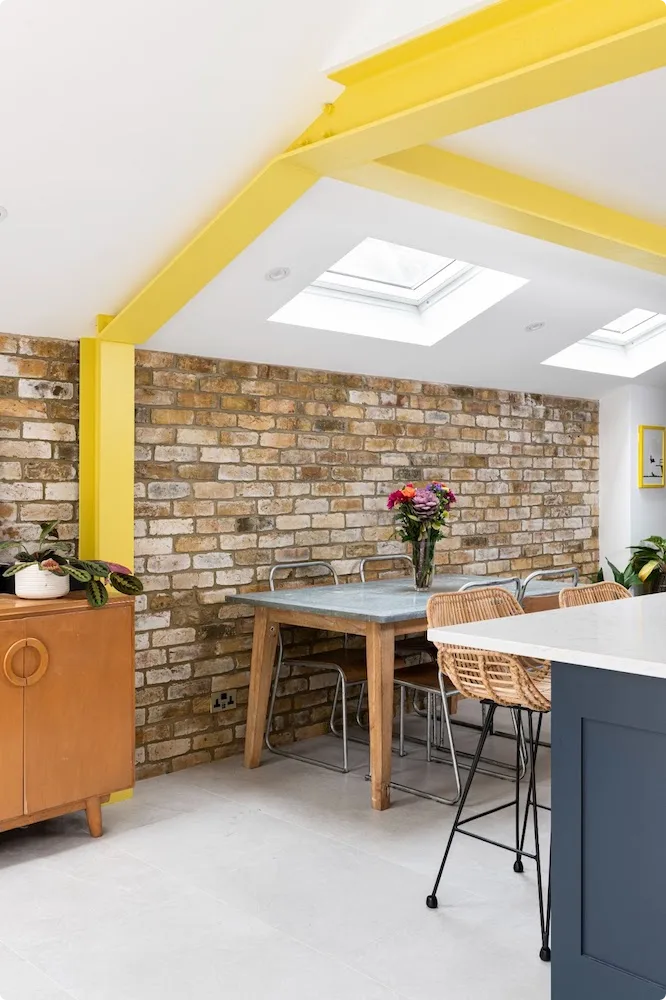
Light-enhancing interior design
Choose light, bright colours that emphasise the space and airiness for a room and introduce finishing touches with reflective surfaces to capture and reflect the existing natural light.
How much does a flat wraparound extension cost?
The cost of your flat wraparound extension will vary depending on a huge number of factors. Some considerations will include where your property is, which contractors you choose and the materials used. So, while it’s not an exact science and there’s plenty of room for variation, we estimate it costing between £90,000 and £130,000.