What is a semi-detached house?
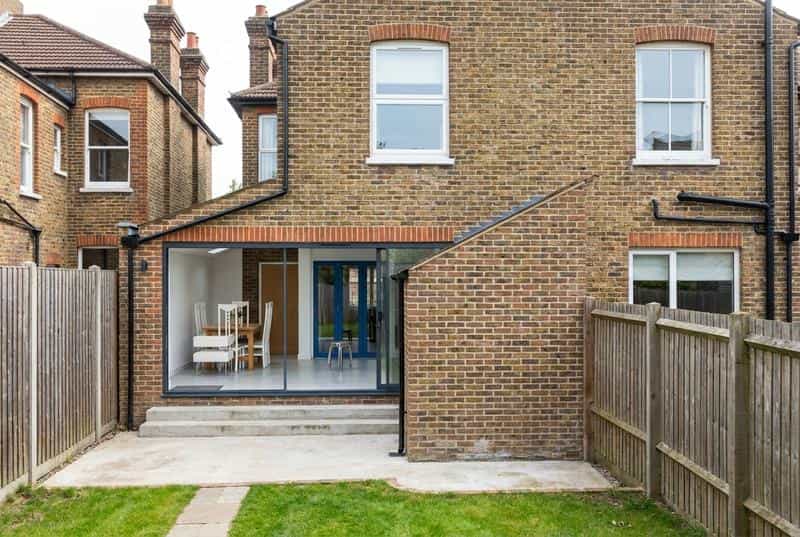
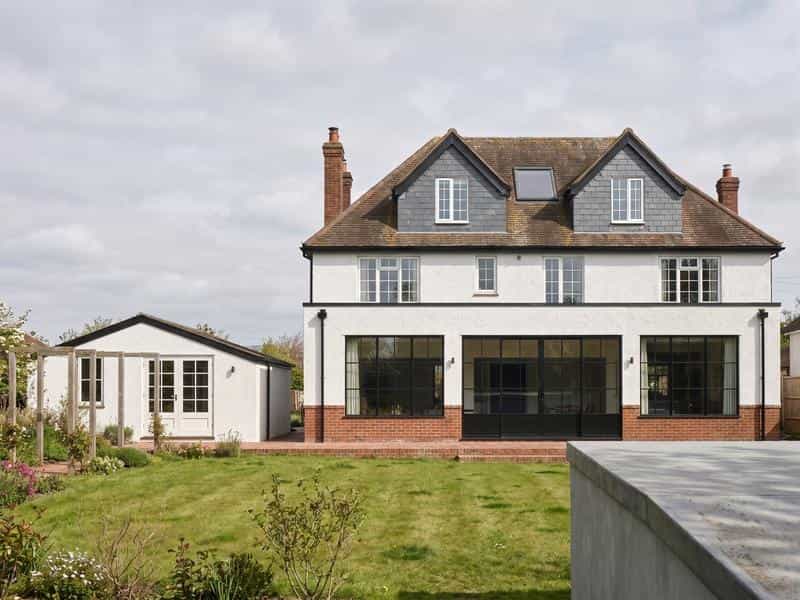
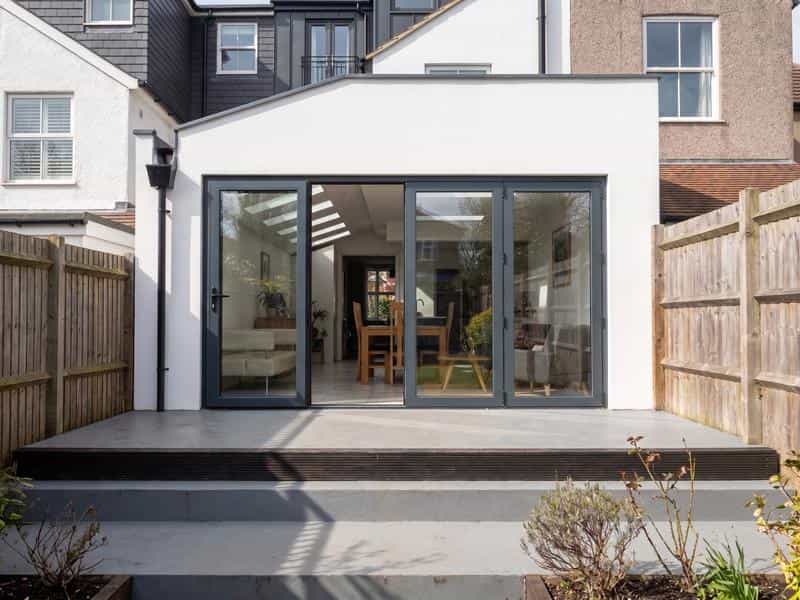
Let’s start with the basics and define exactly what a semi-detached house is. Simply put: it’s a house that shares just one common wall with its neighbouring property. It may help to picture a detached house as a reference point: these have no walls shared with neighbouring homes and are standalone properties. The distinction will become more important as we dig deeper into the rules and regulations surrounding semi-detached wraparound extensions.
Can you add an extension to a semi-detached house?
The simple answer is that most of the time you can. And there are plenty of types of extension to choose from. To learn more about the different types and to explore what could suit you, read our guide to home extensions. Read on for more streamlined information regarding semi-detached wraparound extensions.
Why are wraparound extensions a good choice for semi-detached houses?
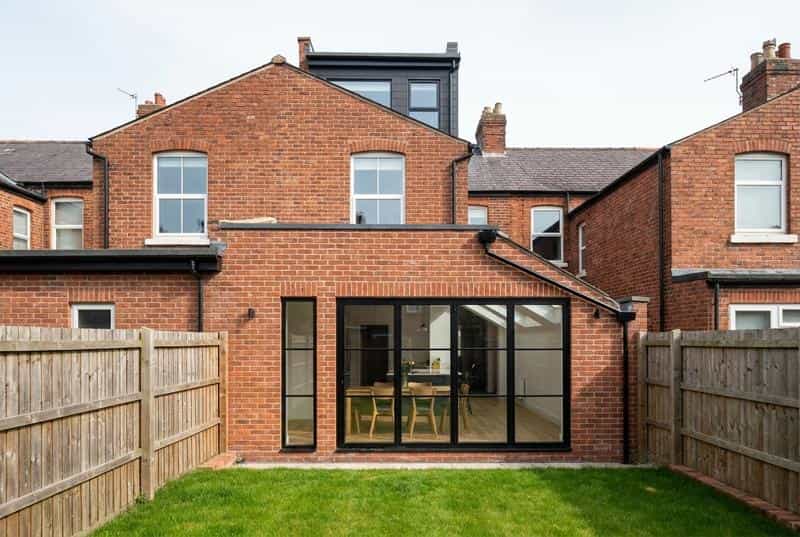
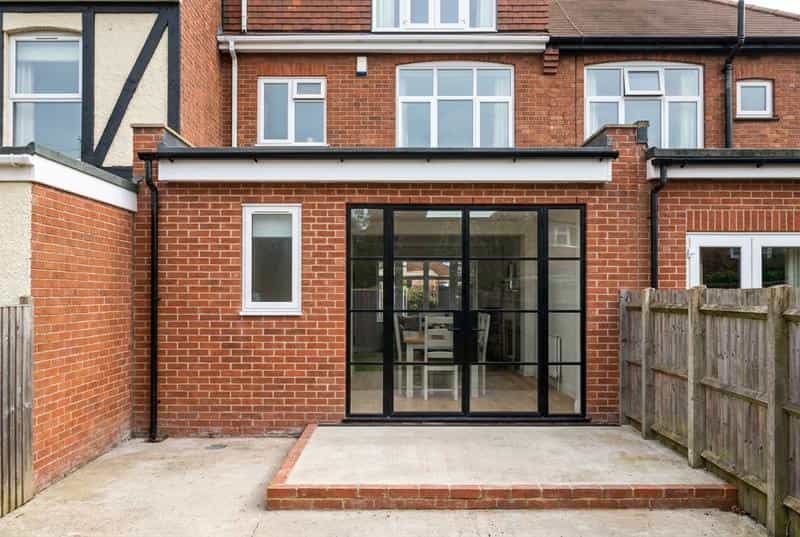
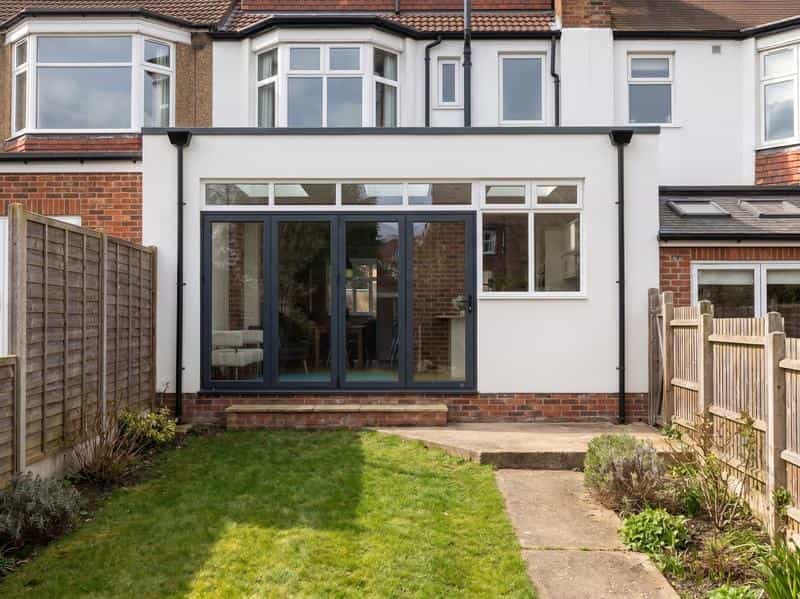
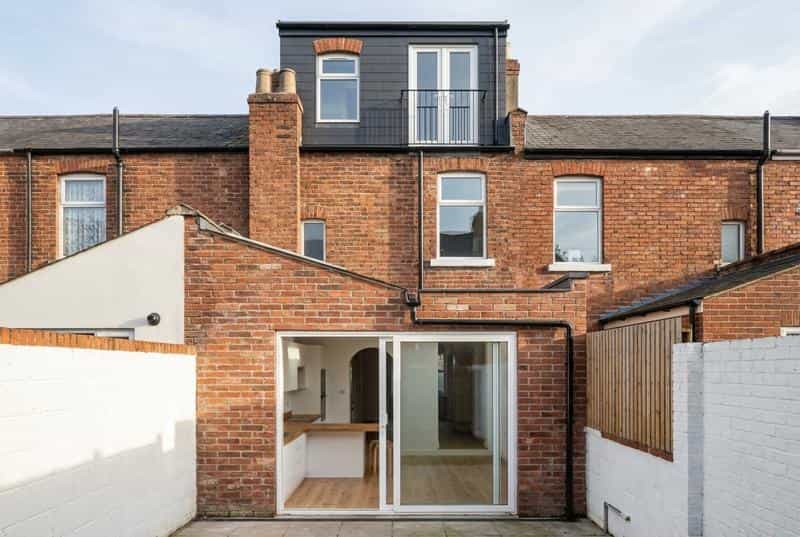
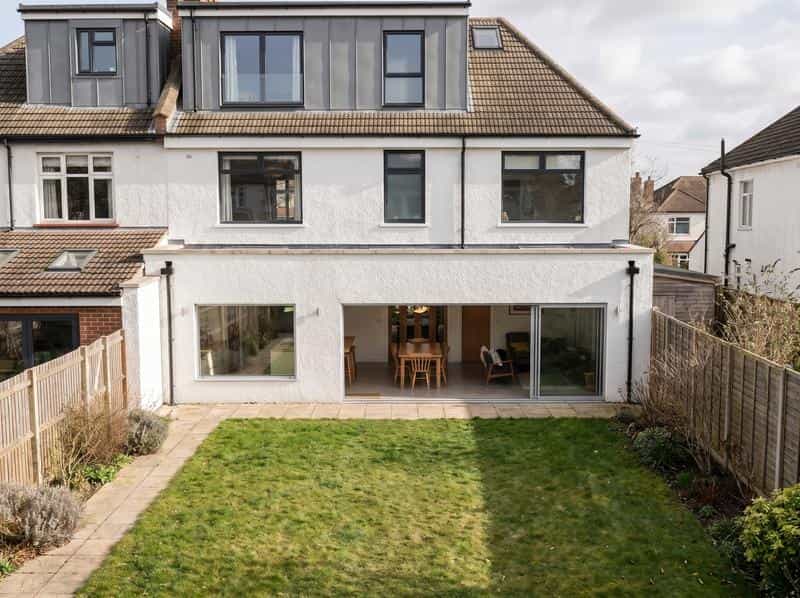
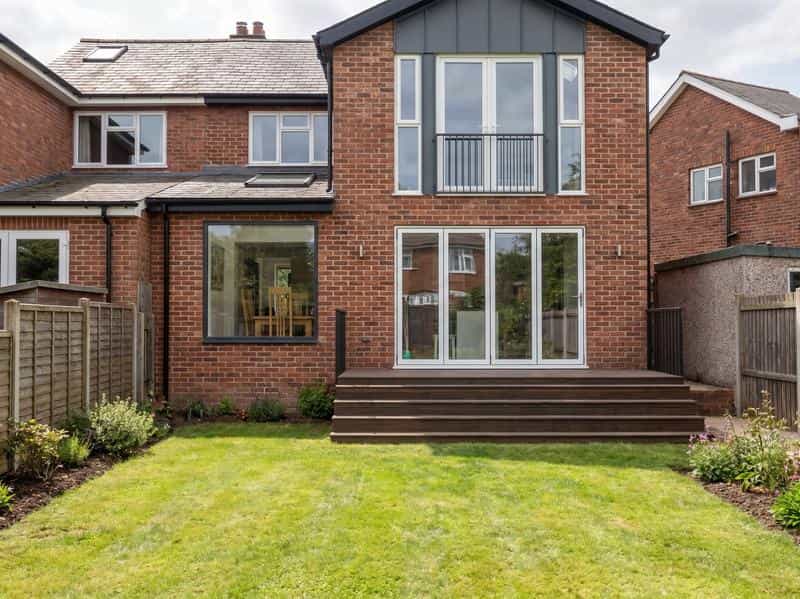
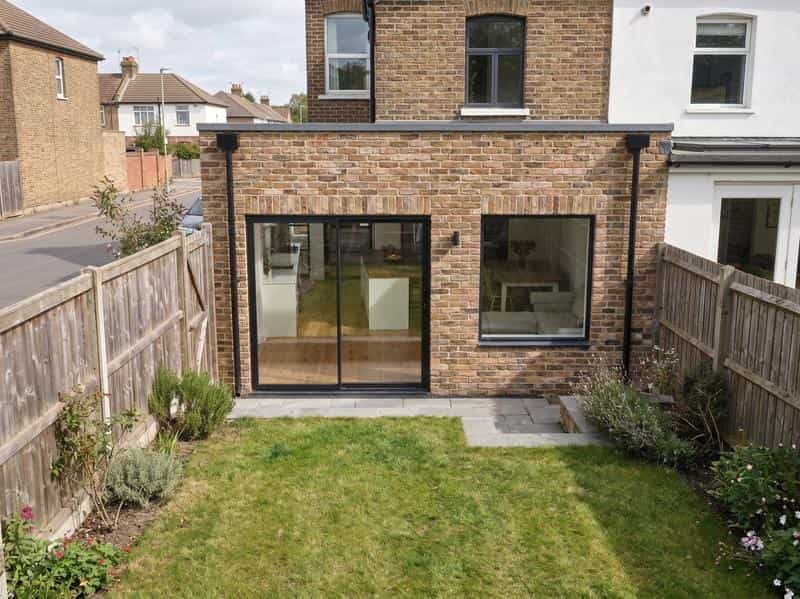
For the uninitiated: a wraparound extension combines a side extension and a rear extension to create an L-shape that’s built to create more space in your home. Given that semi detached houses tend to have unused space to one side and generally have some available garden space to the back of the property, it makes an excellent candidate for wraparound extensions.
Here are just a few of the potential benefits to choosing a wraparound extension for your home:
- Create a new room or enlarge an existing one
- Add more light into your home
- Improve the flow between your house and your garden (without sacrificing your whole garden)
How much does a semi-detached wraparound extension cost?
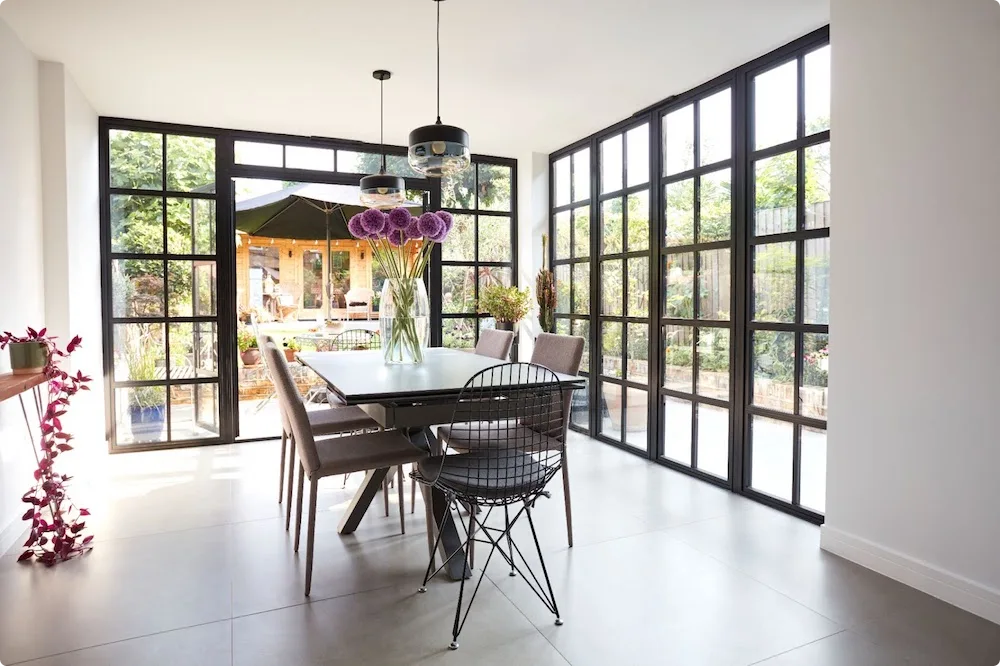
It’s really important to bear in mind that prices for any kind of extension will vary depending on the scale of your proposed projects, the timelines you have in mind, the materials you would like to use and your chosen contractor. With that in mind, our in-house architects have advised that a wraparound extension could be within the range of £120-£150K. For a more detailed analysis of what your project could cost you, book a free advice call with one of our experts.
Does a wraparound extension on a semi-detached property require planning permission?
Wraparound extensions on any property will almost always require planning permission. Because of permitted development restrictions, both the side part and the rear part of a wraparound extension are assessed individually.
However, there are some occasions where you may be able to proceed under permitted development rights. One of these conditions is that you can’t exceed 3m to the rear of your property. To learn more about whether your proposed project might fall under permitted development rights, check out our guide.
Because the rules and regulations of obtaining planning permission can be convoluted and time-consuming, we advise that to give yourself the best chance of having your planning permission approved, it’s best to hire an architect.
Book a free advice call with one of our experts and learn more about how Resi can help you through the planning permission process.
Do you need a party wall agreement on a semi-detached house?
If you have a semi-detached property, it’s likely that you share a party wall and therefore likely that you’ll require a party wall agreement to get your project started. If you’re planning to build anywhere within 3m of a party wall boundary, you must give your neighbour two months notice. To read more about how party wall agreements work and how we can best assist you with proceeding, read our article Do you need a party wall agreement?.